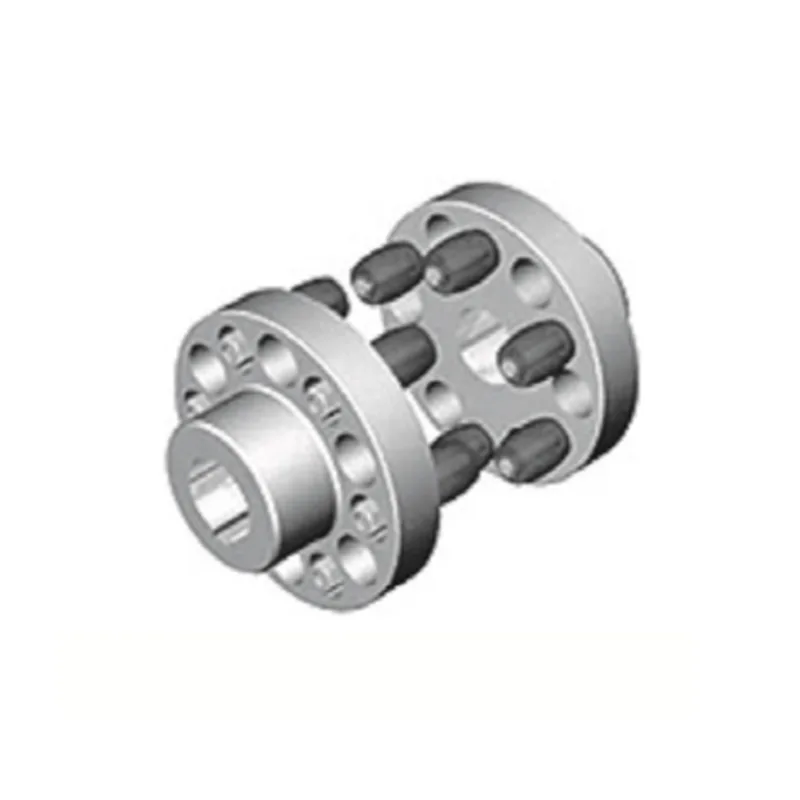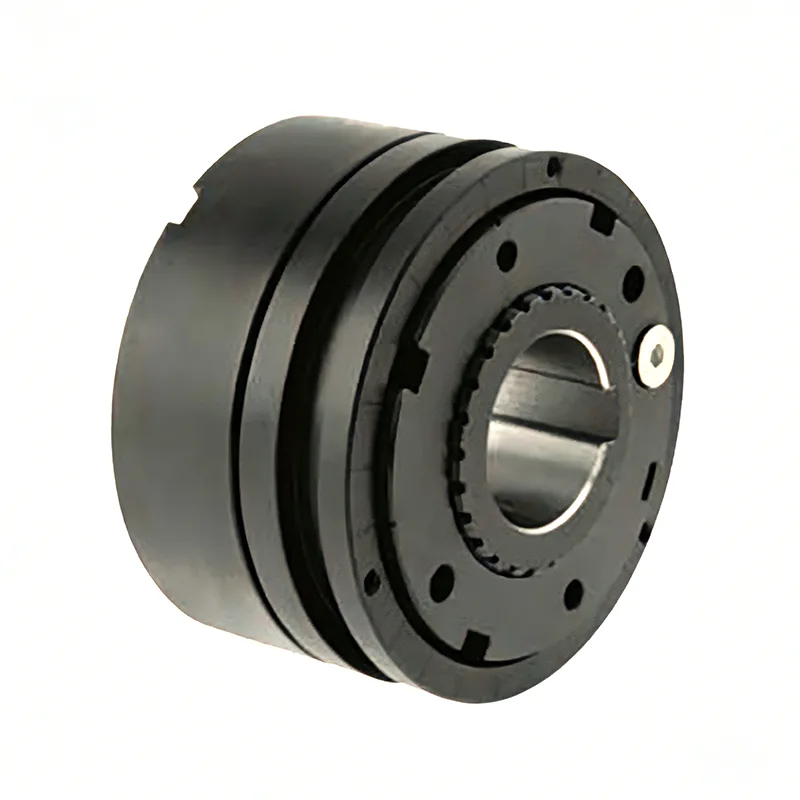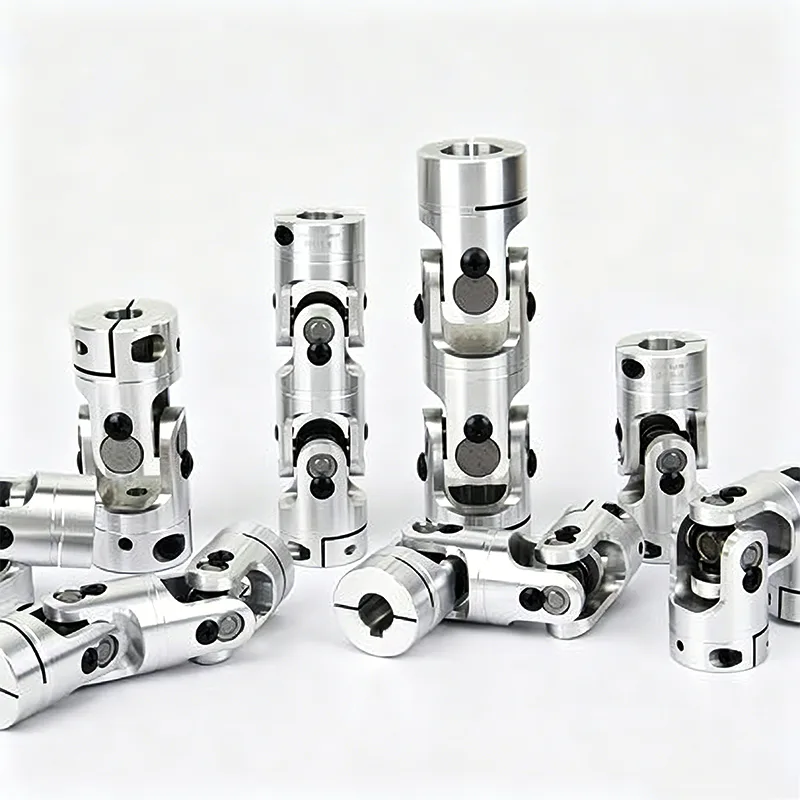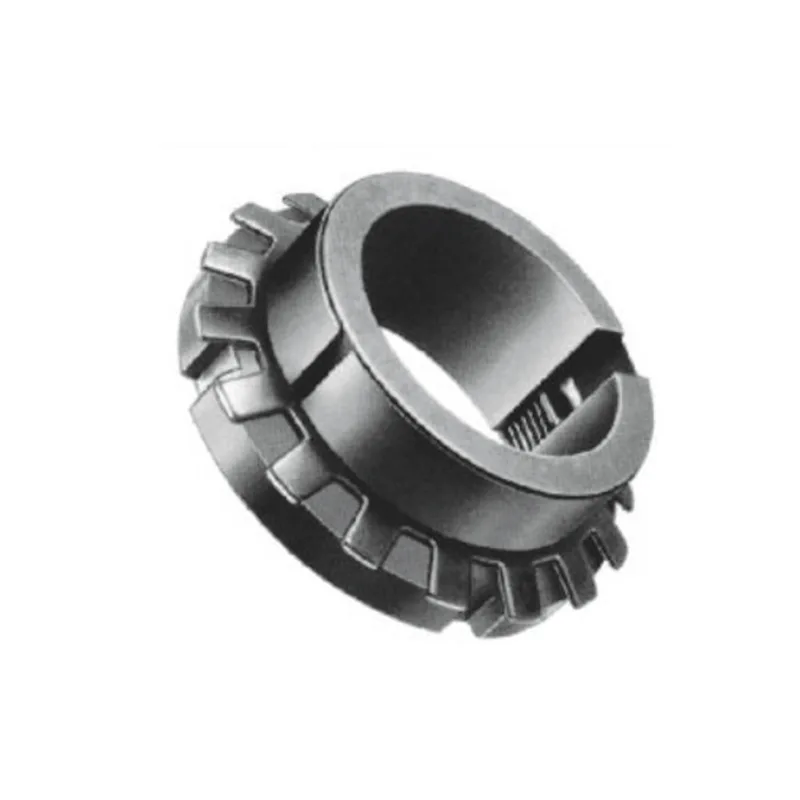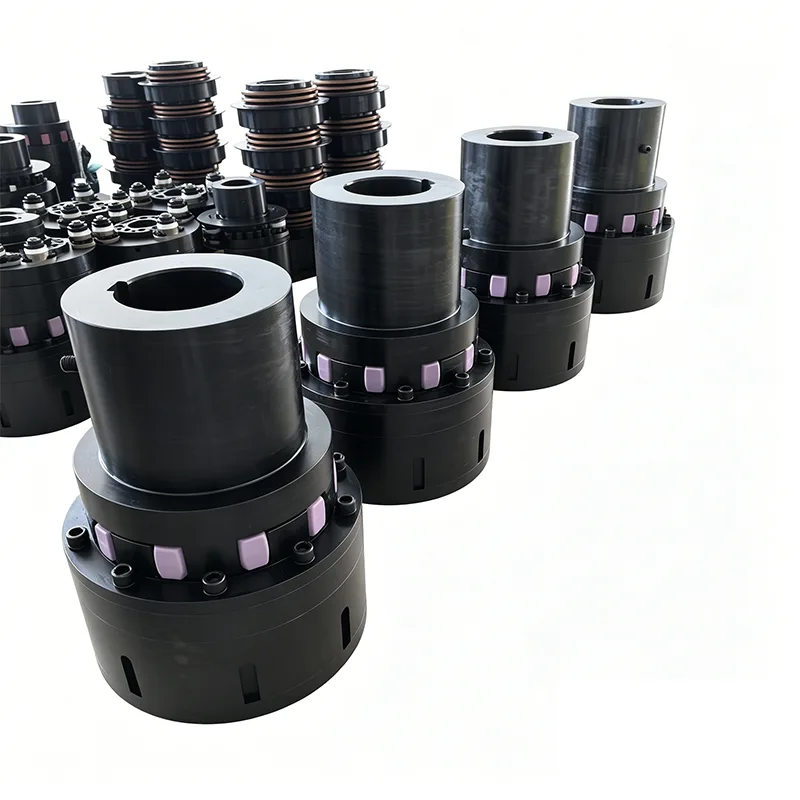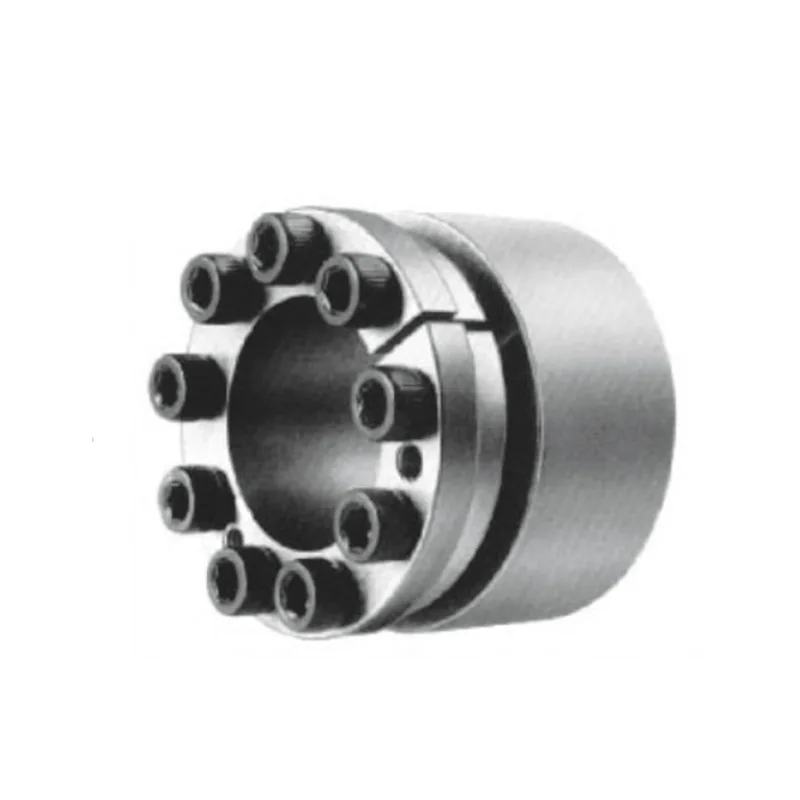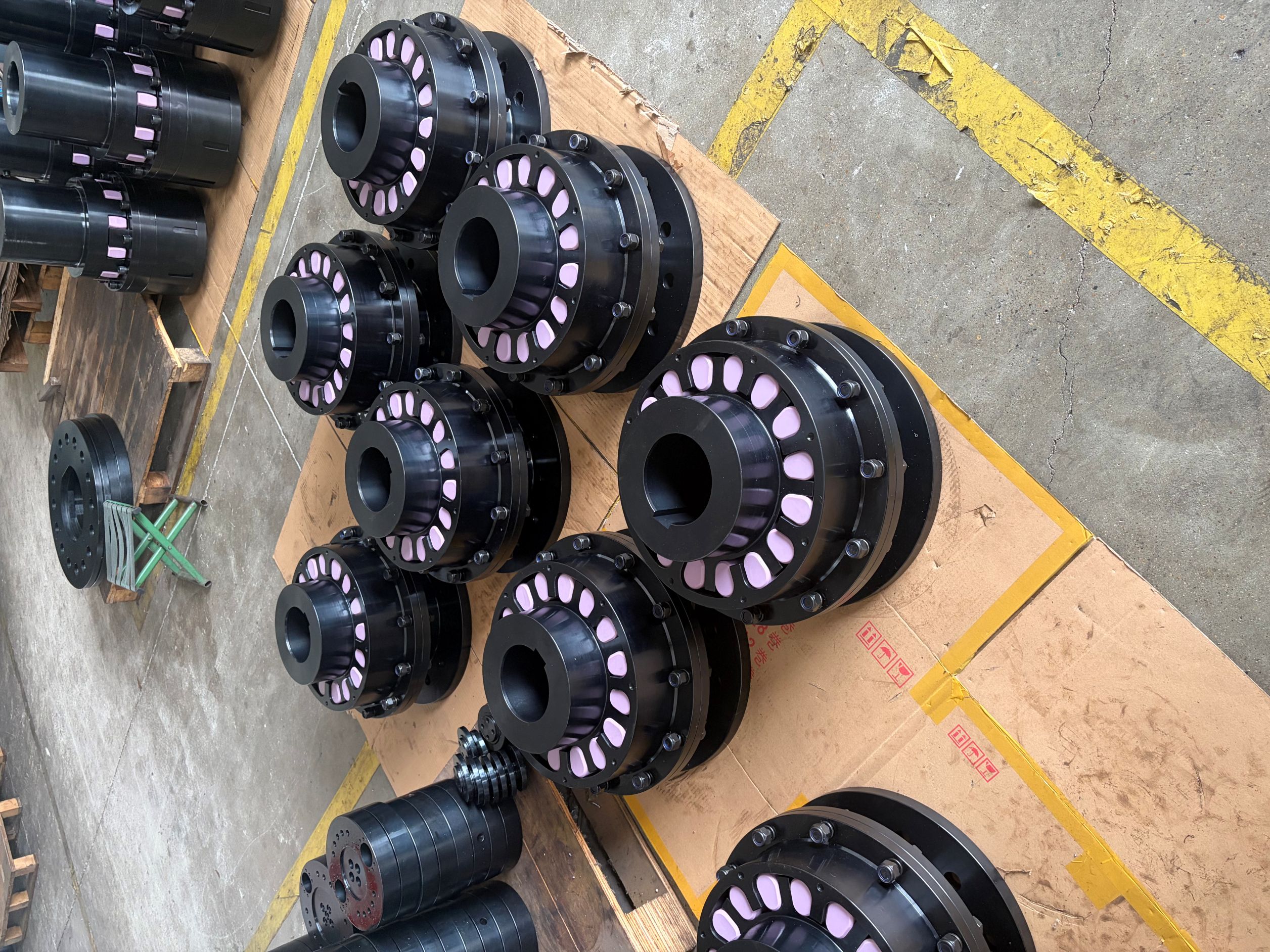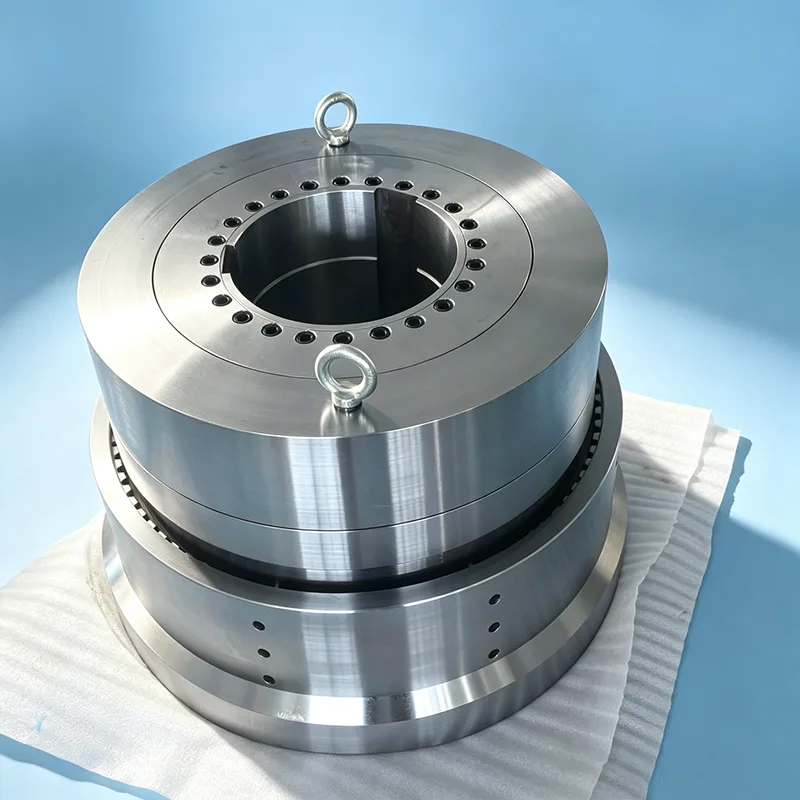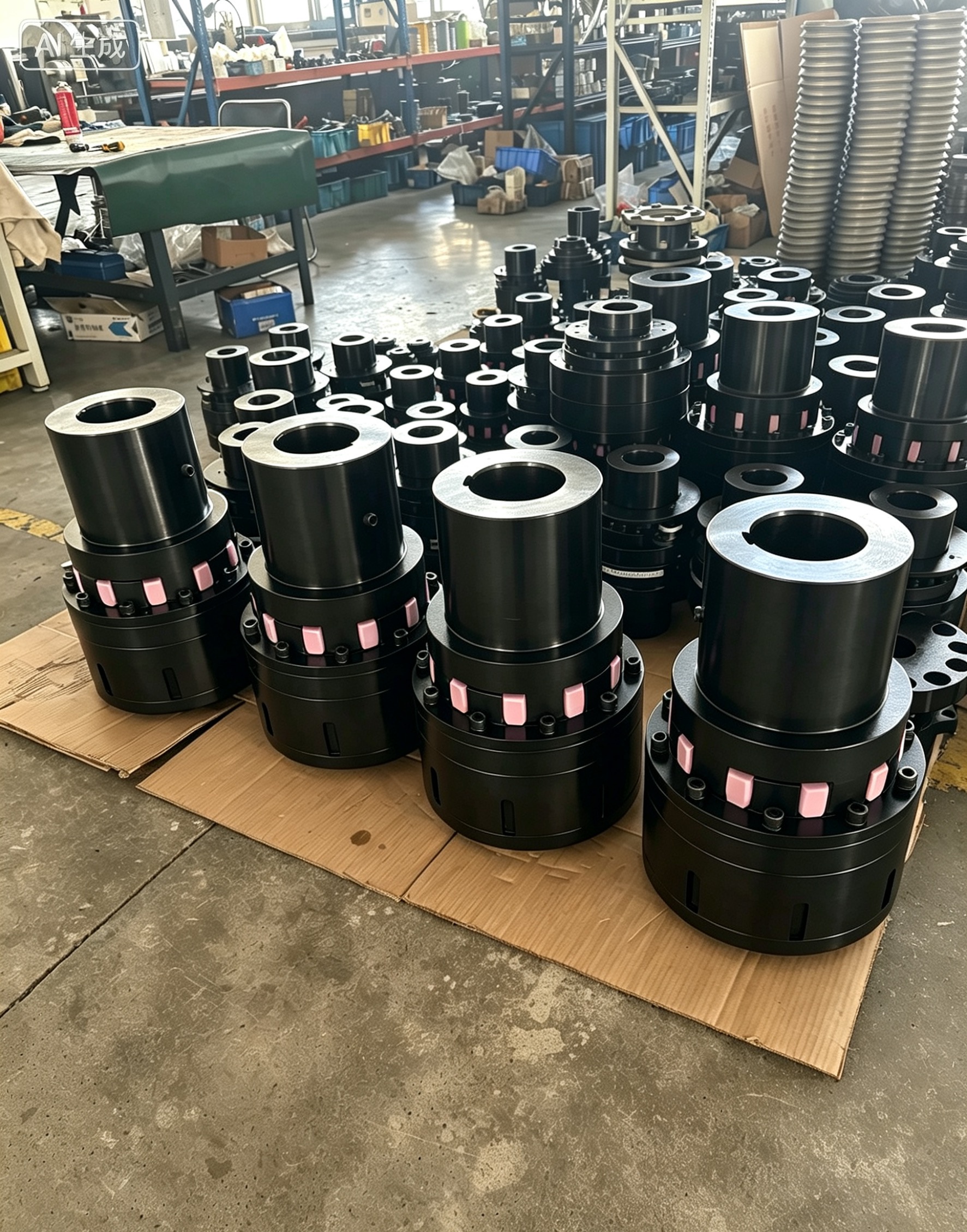

The keyway serves as a critical feature for transmission components such as couplings and torque limiters. It directly determines the fitting accuracy between the shaft and hub, as well as torque‑transmission capacity. The quality of machining process greatly affects the operational stability of the complete equipment.
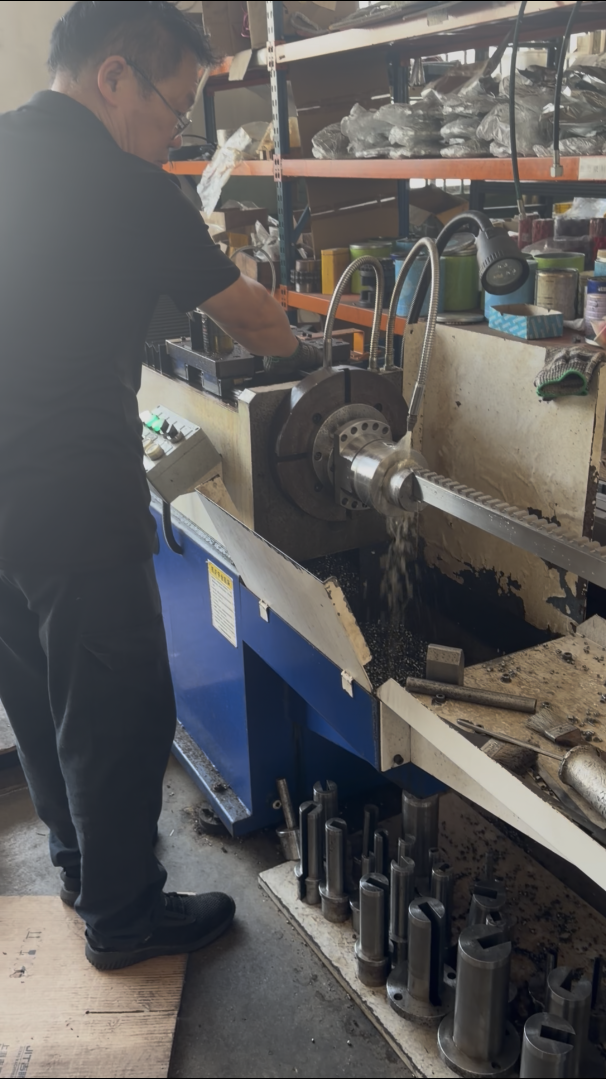
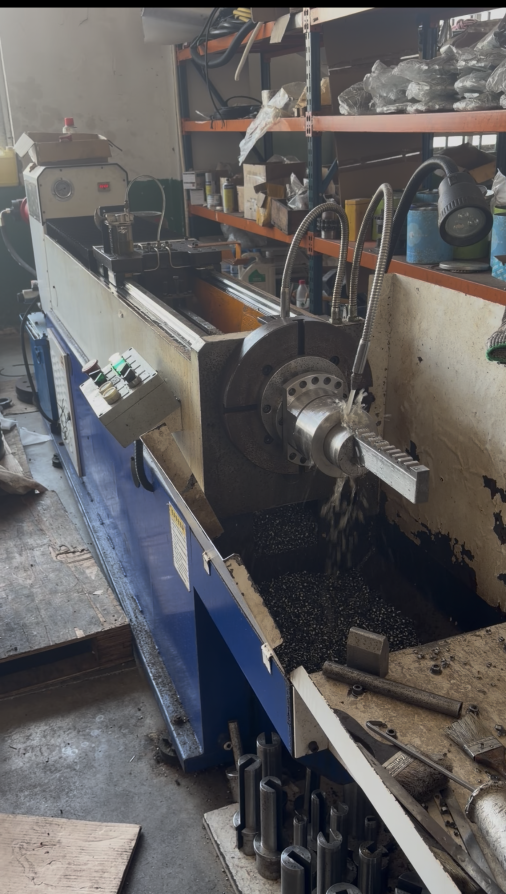
Step into our production workshop, where keyway‑processing machines are running steadily. Cutting tools feed at high speed, while cutting fluid is continuously sprayed for cooling, with iron chips falling off smoothly. Every single keyway is machined strictly in accordance with drawing tolerance requirements. Our technicians adjust tooling and fixtures on‑site and calibrate workpiece positioning. Every procedure, including clamping, alignment and cutting forming, is rigorously controlled to avoid misalignment and dimensional deviation.
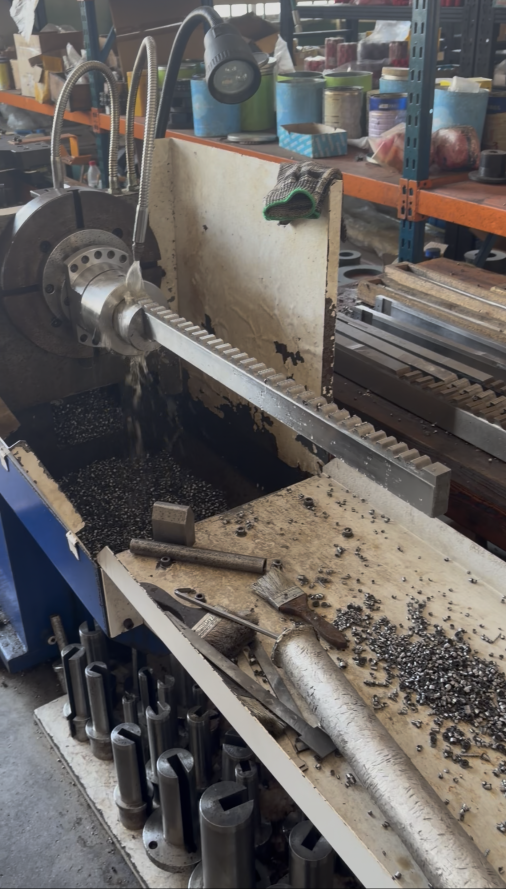
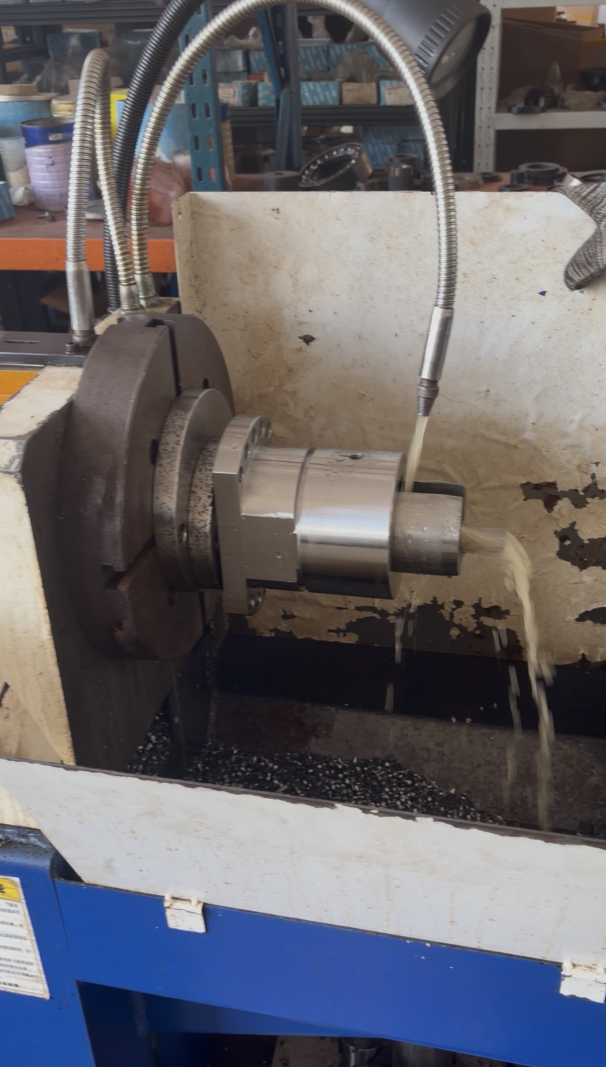
A keyway may look simple, yet it demands high‑level craftsmanship. Parameters including slot width, slot depth and symmetry must be precisely controlled. Poor keyway‑machining accuracy will lead to loose fits during subsequent assembly, causing impact and vibration during equipment operation. In the long run, it may result in key rolling and wear, and drastically shorten the service life of the whole machine.
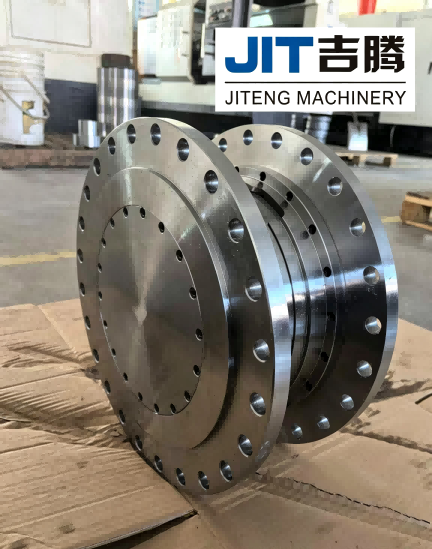
We adhere to full‑process in‑house manufacturing, with no rough‑machining outsourced. The whole workflow is completed in‑plant in a closed loop, from raw‑material incoming inspection, pre‑cleaning and chip removal, to keyway cutting and dimensional re‑inspection.