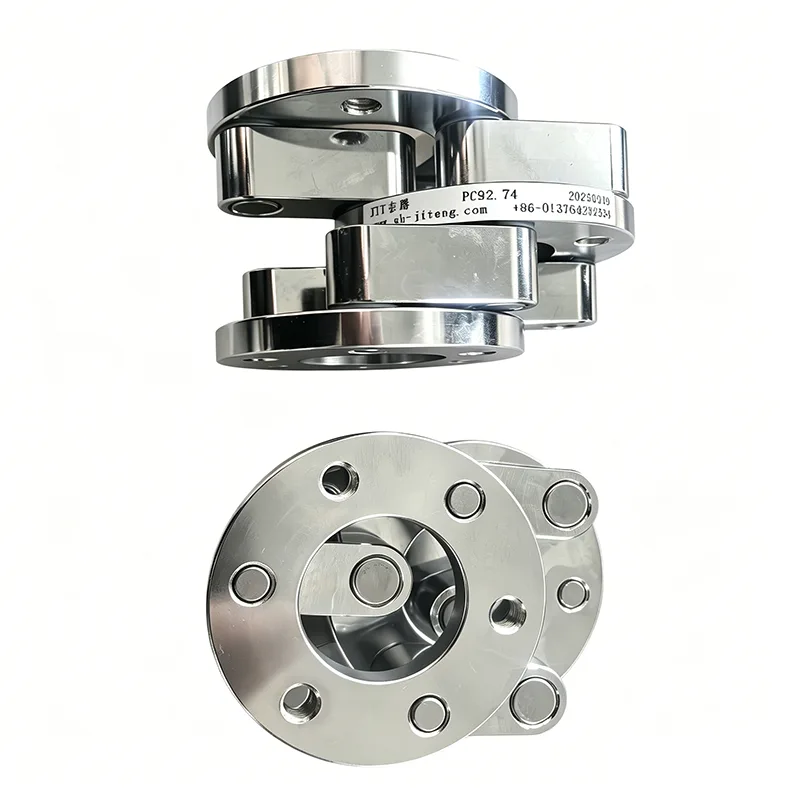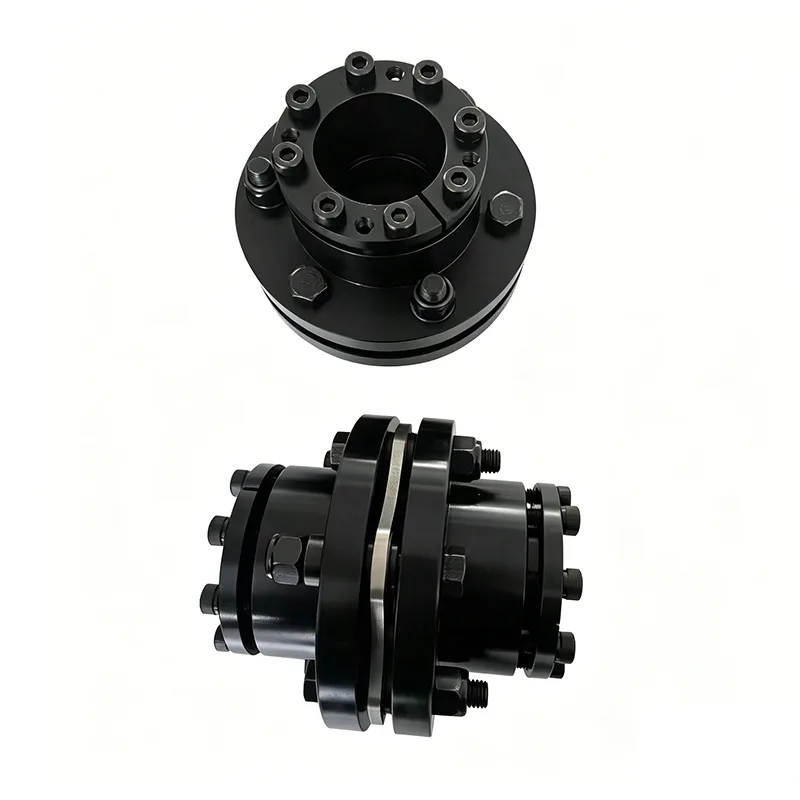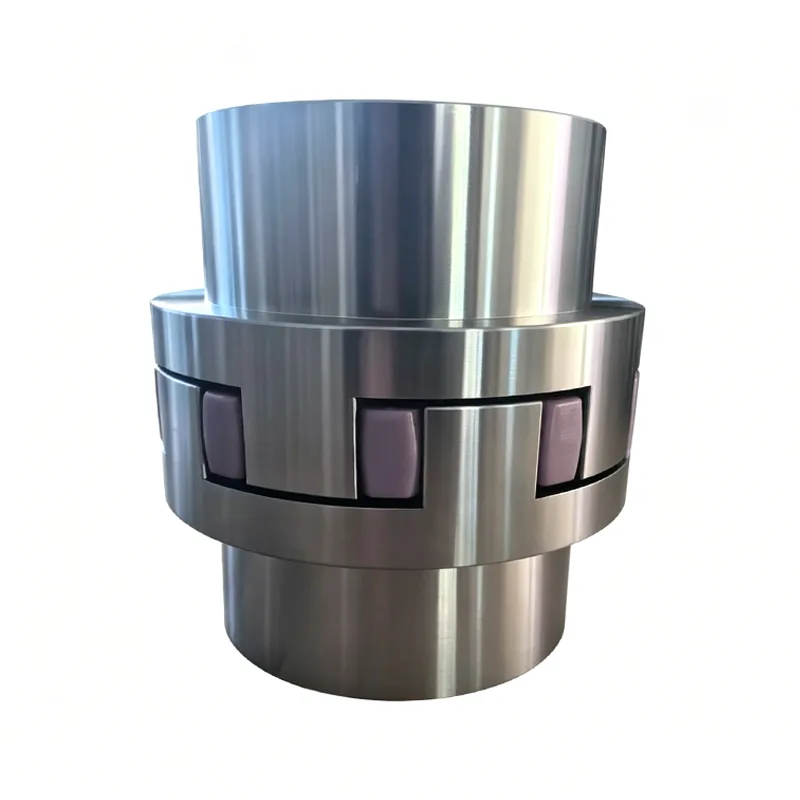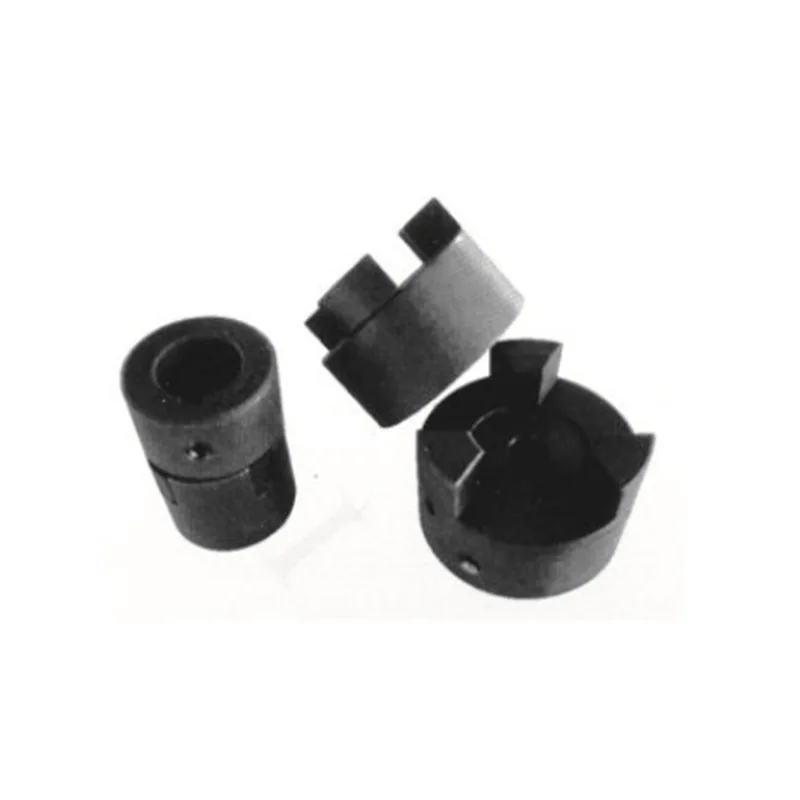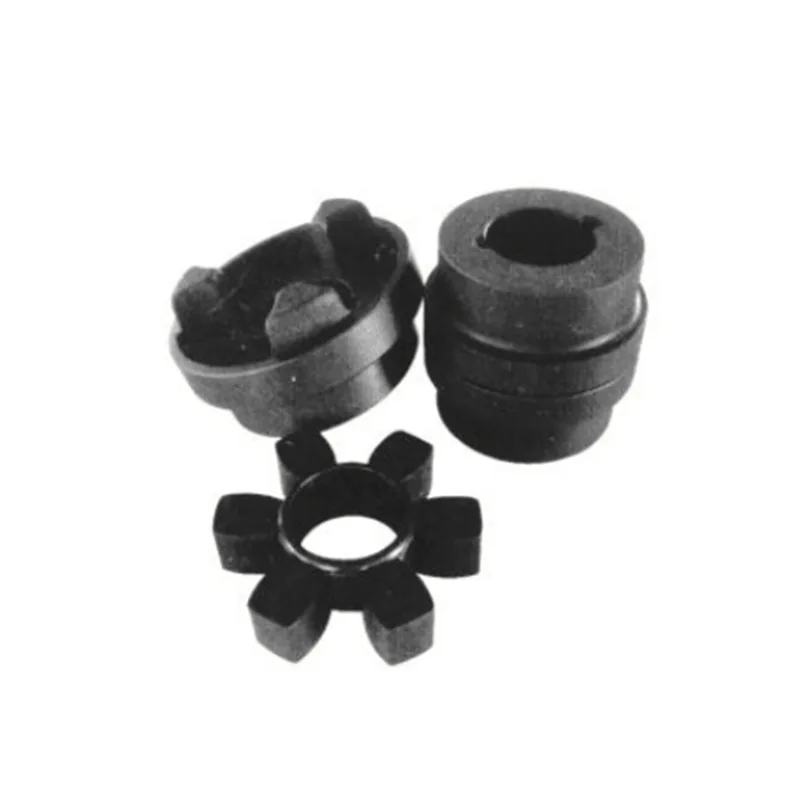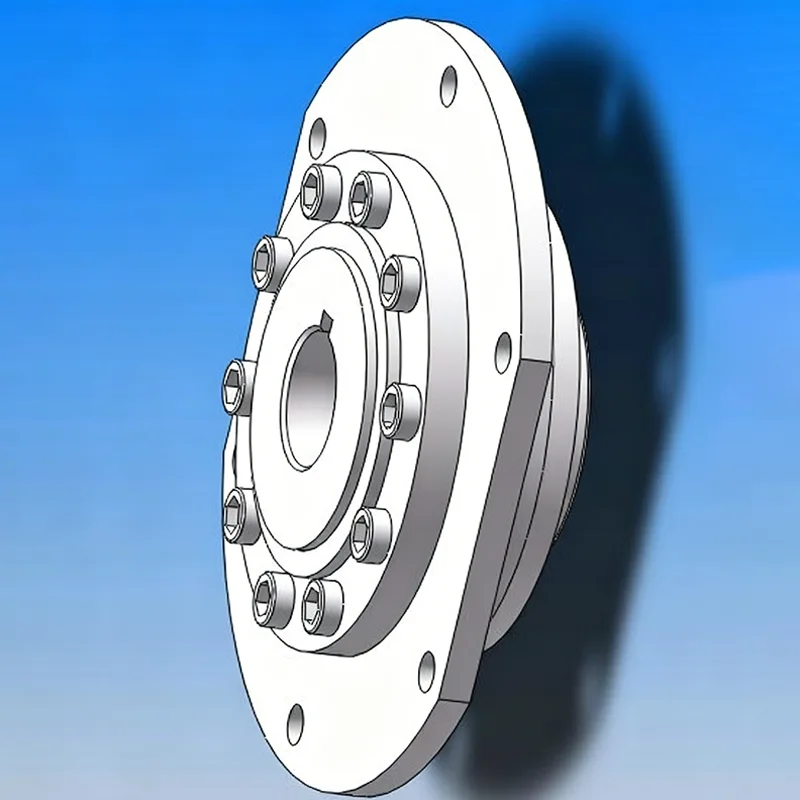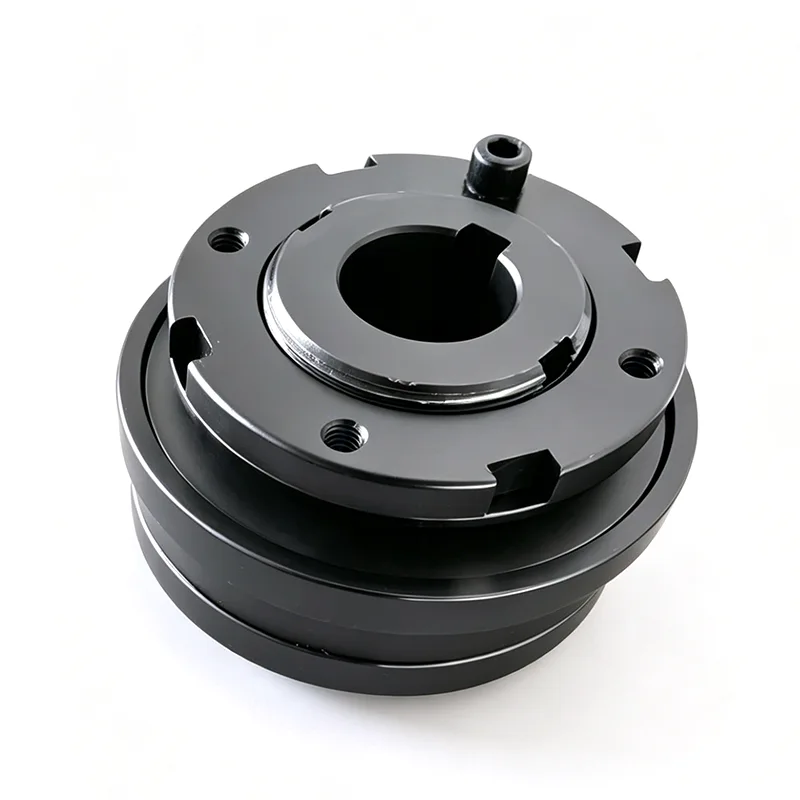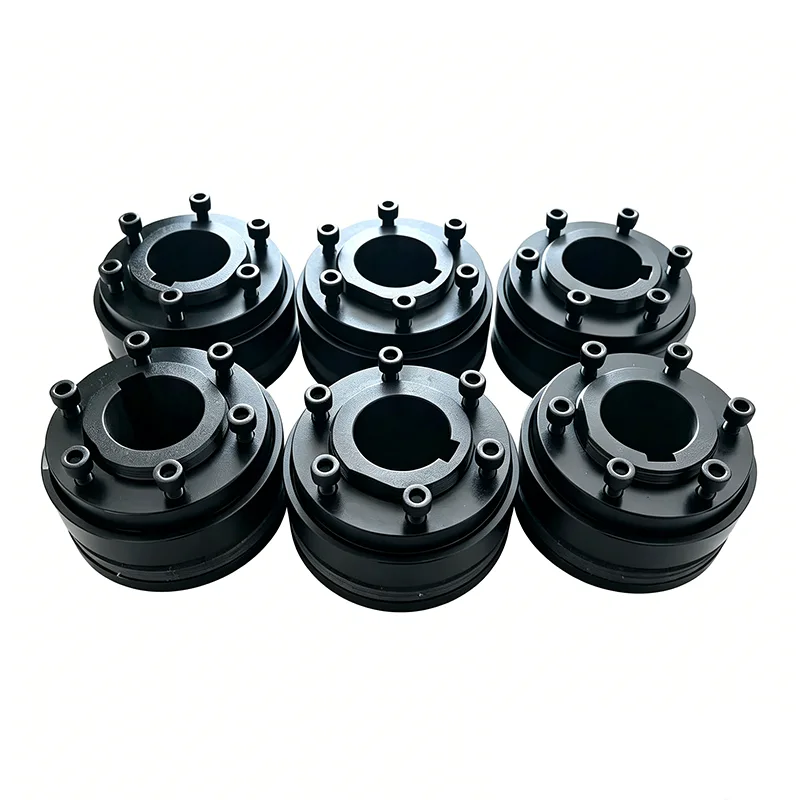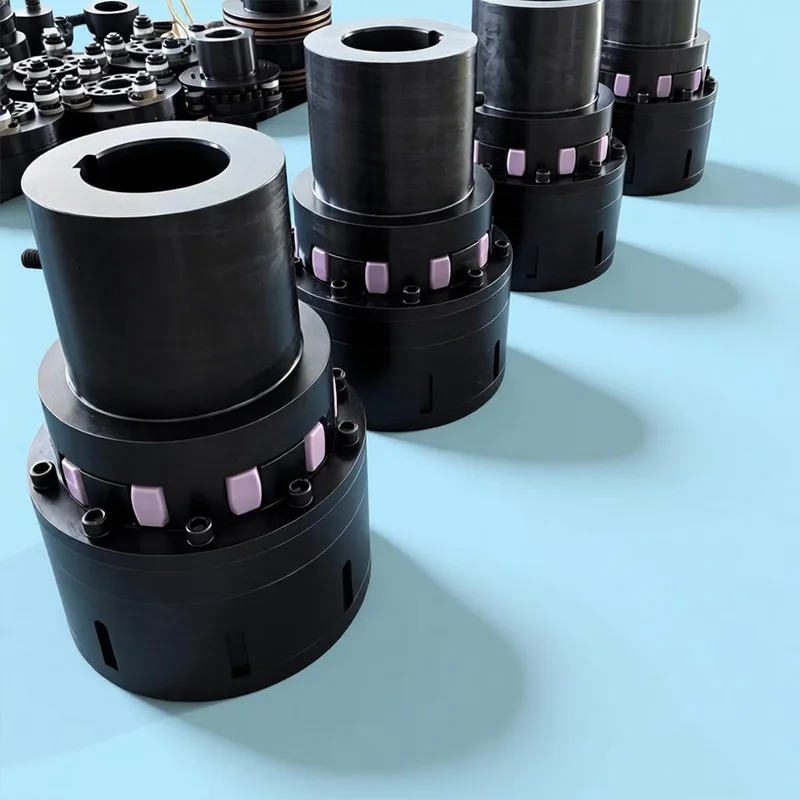
Shanghai Jiteng offers comprehensive solutions for Industrial Couplings—including bulk purchasing, custom configuration, and immediate stock availability—covering five core product categories: Safety Couplings, Torque Limiters, Precision Universal Joints, Drive Shafts, and Locking Assemblies. Our products are engineered to balance fundamental transmission compensation with robust overload protection capabilities. Designed to adapt to the complex operating conditions found across all industrial sectors, they serve as the premier choice for upgrading transmission systems, equipping new machinery, and replacing faulty components in industrial and mining enterprises.
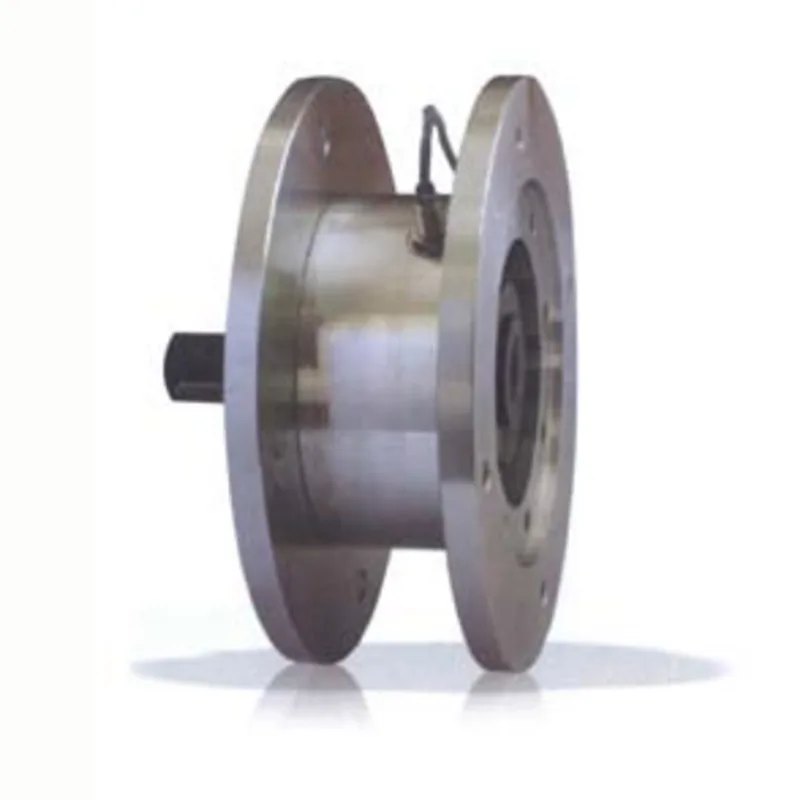
1. Torque Limiters: Focused on precise torque limitation and protection, these devices allow for the exact setting of a safe torque threshold, thereby preventing equipment damage caused by overload shocks. They are ideally suited for various precision and heavy-duty transmission systems requiring accurate overload protection.
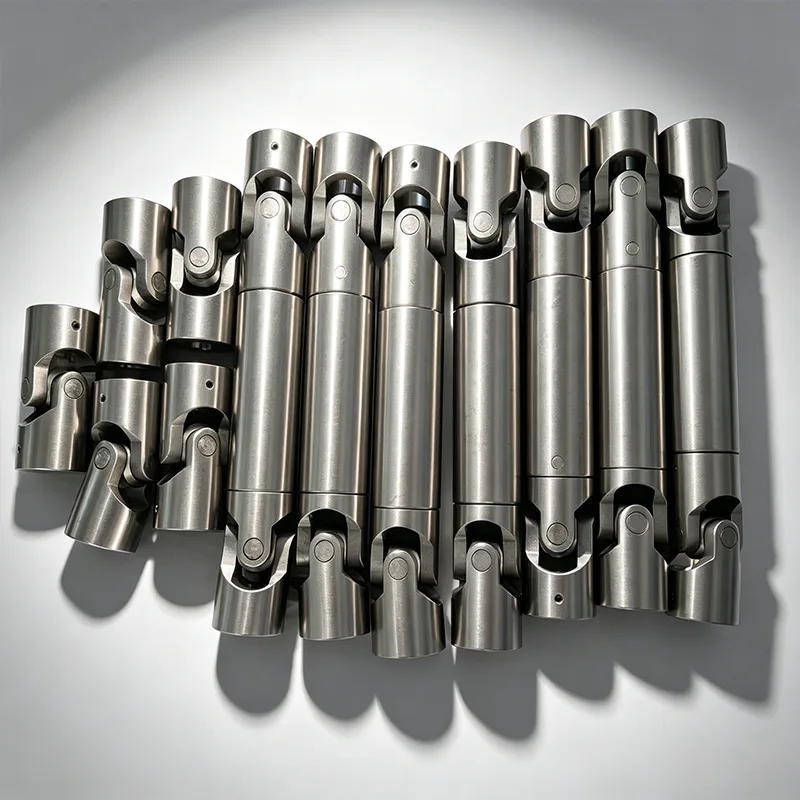
2. Precision Universal Joints: Emphasizing high-precision transmission compensation, these joints are designed for shaft systems involving multiple angles and misalignments. They deliver high transmission accuracy and smooth operation, effectively meeting the demanding transmission requirements of precision equipment.
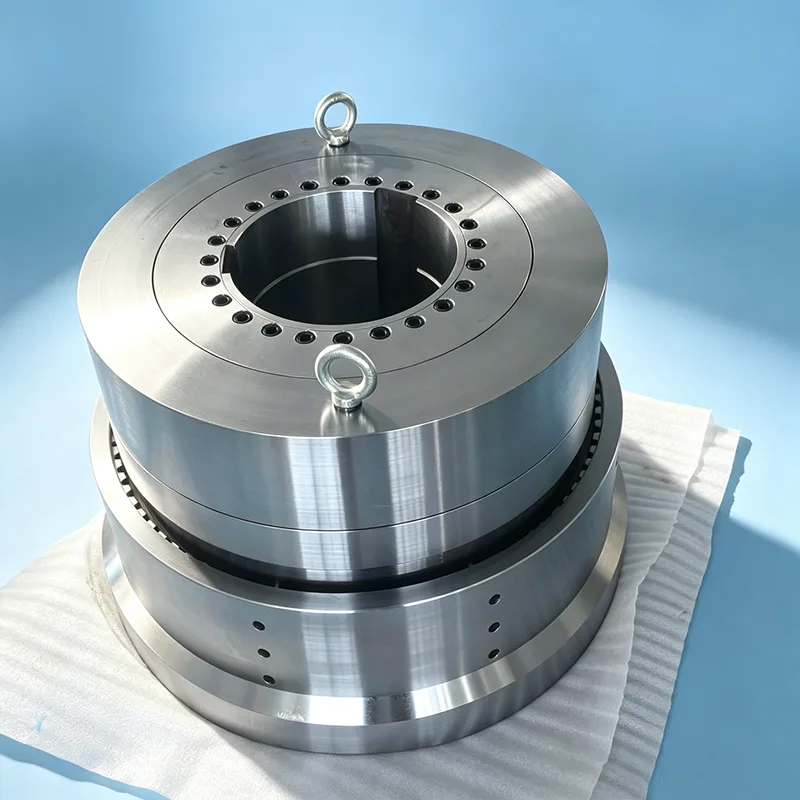
3. Safety Couplings: Core components for overload protection, these units integrate both power transmission and safety functions. They are adaptable to a wide range of operating conditions—from high to low speeds, and light to heavy loads—specifically addressing scenarios prone to jamming or sudden impact. Their versatility and practical utility are exceptional.
4. Drive Shafts: Designed for long-distance, high-torque power transmission applications, these shafts feature a robust structure and high transmission efficiency, effectively meeting the requirements for spanning distances in large-scale equipment setups.
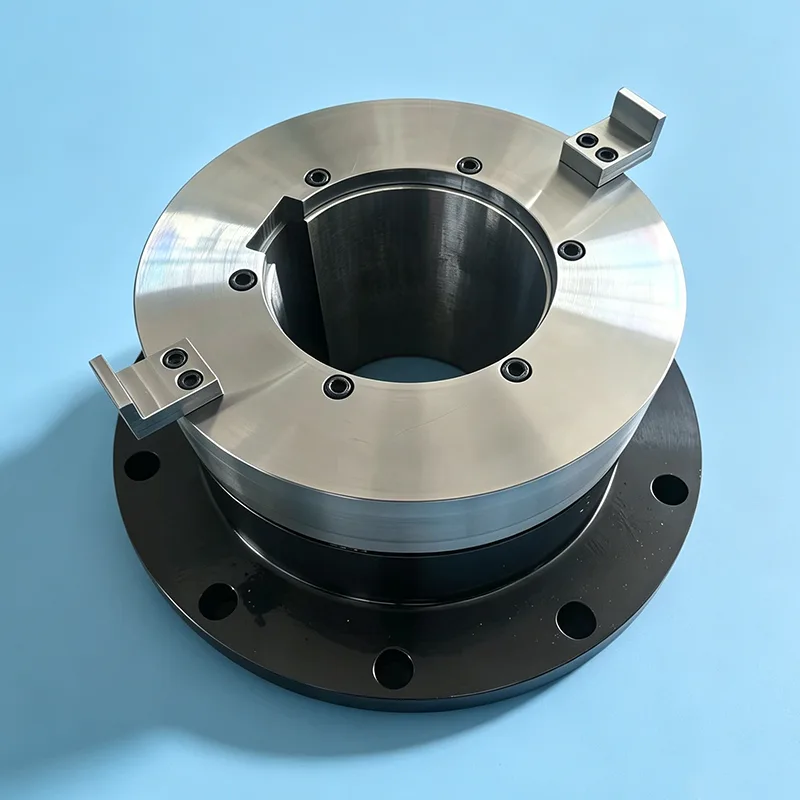
5. Locking Assemblies: Keyless locking components used to create a gap-free, rigid connection between a shaft and a hub. Featuring high centering precision and ease of installation and removal, they serve as essential connecting components within various transmission systems.
Industrial Couplings are broadly categorized into two main types: Standard Couplings and Safety/Torque-Limiting Couplings. While their basic functions are similar, there are significant differences in their core protective capabilities and the specific operating conditions for which they are designed.
1. Standard Couplings—Basic Attributes: These units possess the universal, fundamental functions of a coupling; they compensate for shaft alignment errors during installation, dampen operational vibrations, reduce transmission noise, and ensure the basic stability of power transmission. They are suitable for conventional transmission scenarios characterized by steady loads, and the absence of jamming or sudden impacts.
2. Exclusive Core Advantages of Safety Couplings: Also known as torque-limiting couplings, safety couplings are integrated protective transmission components that combine the dual functions of power connection and overload protection. While retaining all the fundamental performance characteristics of standard couplings, they incorporate a core mechanism for torque overload protection, serving as an upgraded alternative to conventional standard couplings.
3. Differentiated Suitability for Operating Conditions: Standard couplings are suitable only for stable operating conditions; safety couplings, conversely, are specifically designed to address abnormal conditions—such as material jamming, rotor stalling, heavy-load impact, and frequent load fluctuations. By protecting the entire machine and its associated components at the very source of power transmission, they effectively prevent losses resulting from sudden, unexpected failures.
Safety couplings achieve automated protection by relying on a preset torque threshold. Their operating logic is simple, reliable, and highly responsive, effectively preventing equipment damage caused by overload without requiring any manual intervention throughout the process.
1. Stable Torque Transmission under Normal Conditions: During standard equipment operation, the internal structure of the coupling remains tightly engaged, enabling the stable transmission of rated torque and power without disrupting normal production workflows. Simultaneously, it retains the fundamental functions of cushioning, shock absorption, and shaft misalignment compensation.
2. Automatic Power Disengagement under Abnormal Conditions: When equipment encounters faults—such as material jamming, rotor stalling, or sudden overloads—and the actual operating torque exceeds the preset safety threshold, the internal mechanism automatically slips, disengages, or separates to rapidly cut off power transmission.
3. Precise Protection of Core Equipment Components: Through an instantaneous power-disengagement mechanism, the coupling blocks the transmission of overload torque, thereby effectively protecting high-value core components—such as motors, reducers, spindles, and cutting tools—and preventing severe physical damage to the equipment as well as substantial repair costs.
4. Rapid Operational Recovery via Fault Reset: For the vast majority of safety coupling models, once the underlying equipment fault has been resolved, the coupling can be manually reset and recalibrated to quickly restore the equipment to normal operation. This minimizes downtime and maximizes the continuity of production.
Leveraging their robust overload protection capabilities, safety couplings are suitable for the vast majority of industrial equipment applications where there is a risk of sudden load surges, covering the entire spectrum of heavy industry, light industry, and general machinery sectors.
1. Heavy Industry Equipment Compatibility: Reliably applicable to the shaft transmission systems of heavy-duty machinery—including equipment used in metallurgy, mining, construction, petrochemicals, and hoisting and transport—effectively withstanding the high-frequency impacts and extreme load fluctuations inherent to heavy industry operations.
2. Light Industry & General Machinery Compatibility: Widely compatible with standard equipment across sectors such as textiles, light manufacturing, printing, automotive, tractors, locomotives, machine tools, water pumps, fans, and compressors; effectively resolves issues of component damage caused by stalling or overloading in general machinery.
3. Specialized Adaptation for High-Risk Equipment: Specifically tailored for industrial machinery prone to material jamming, rotor stalling, sudden load surges, and frequent load fluctuations; proactively mitigates critical failures—such as complete machine breakdown, component fracture, or motor burnout—by addressing potential issues at the very source of the transmission chain.