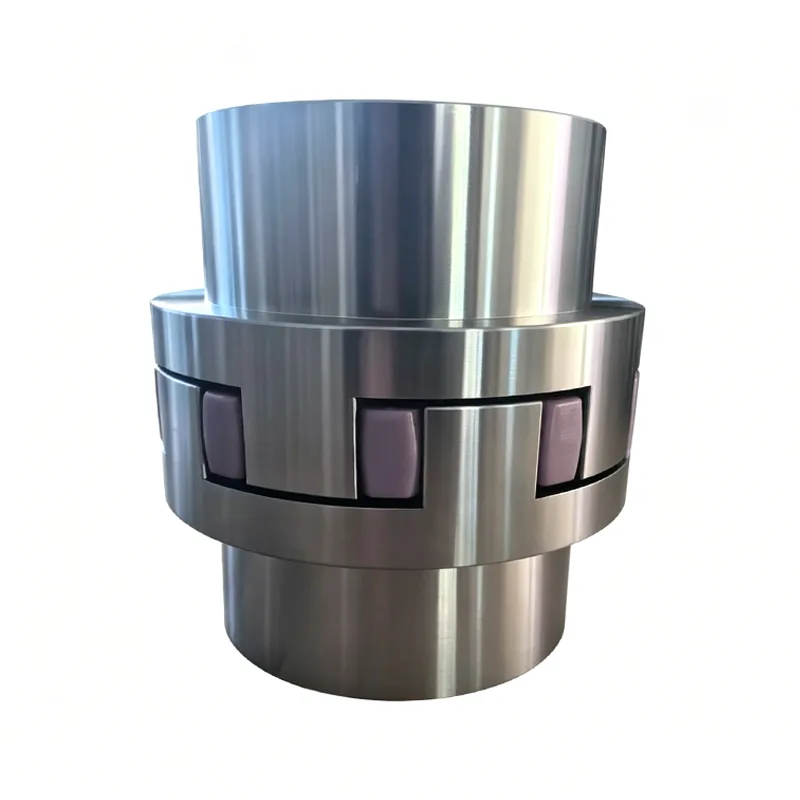
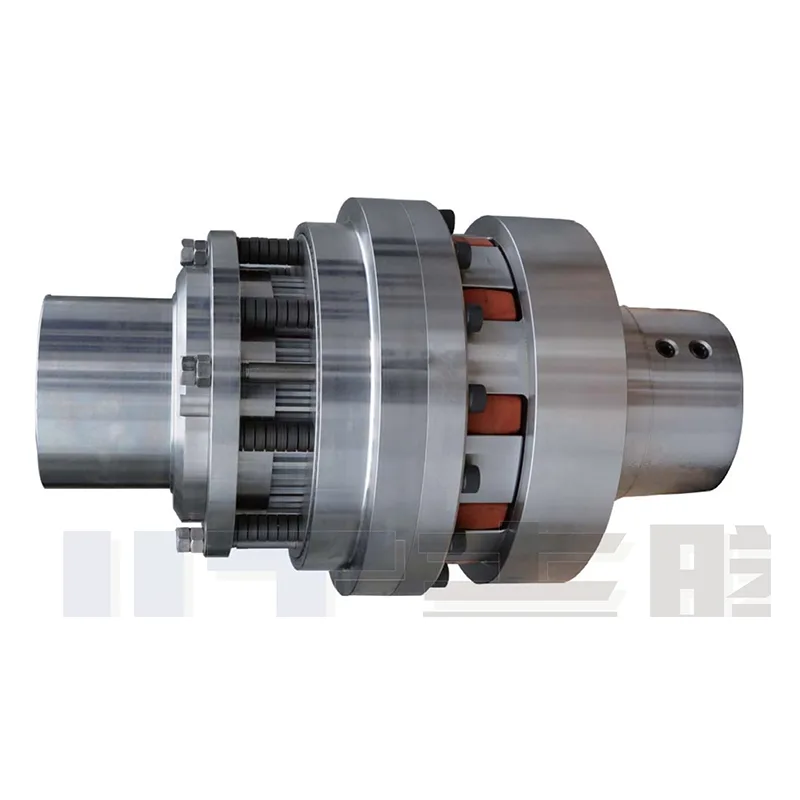
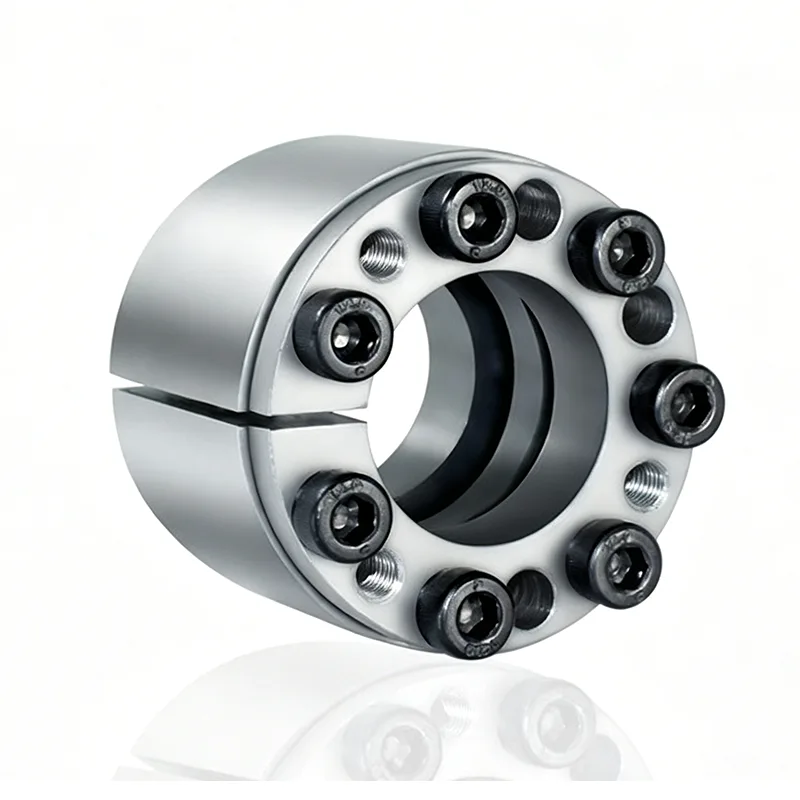
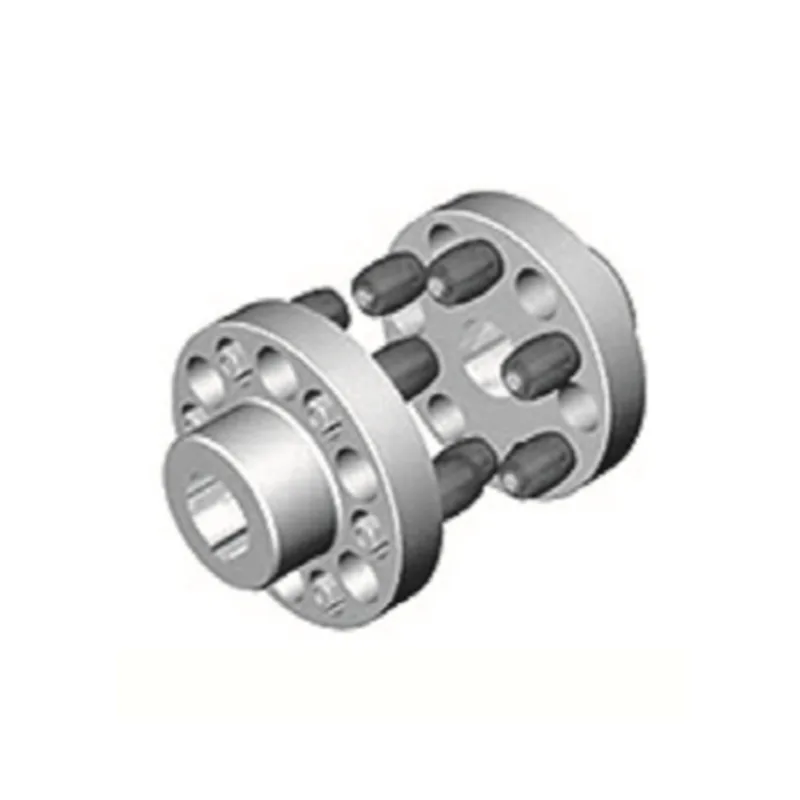
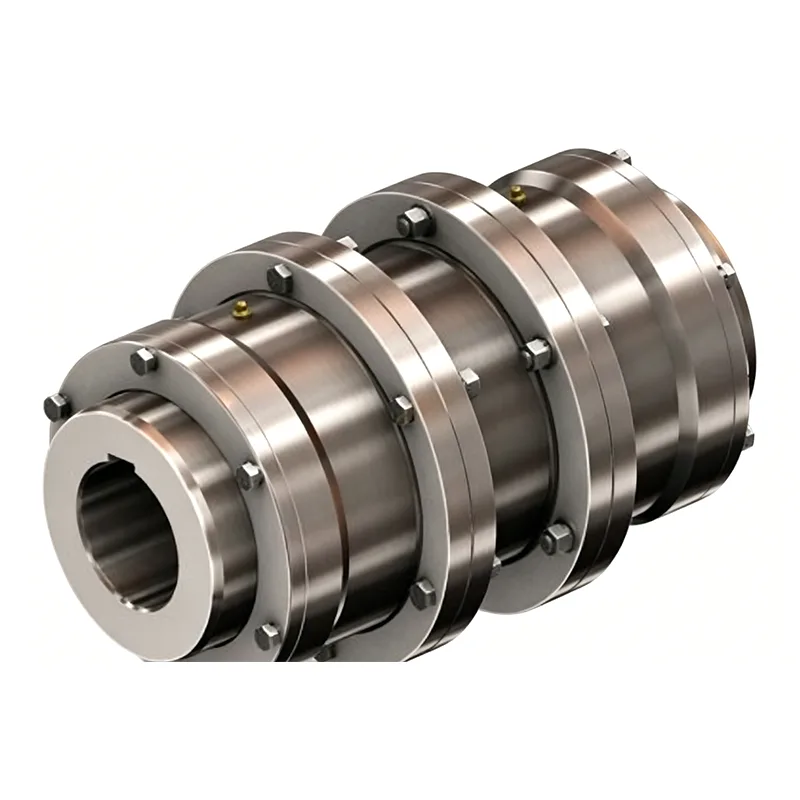
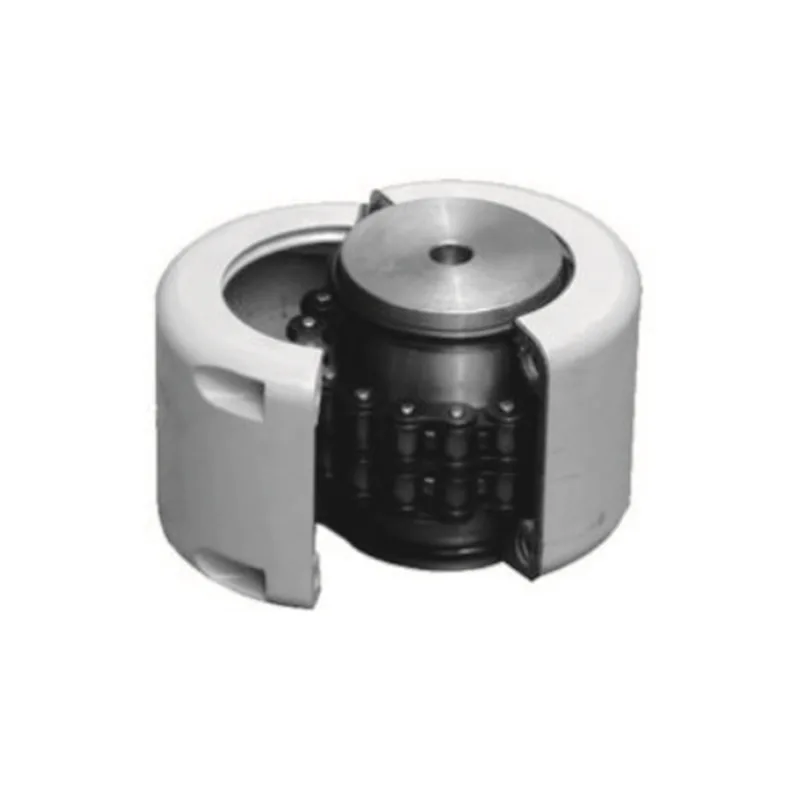
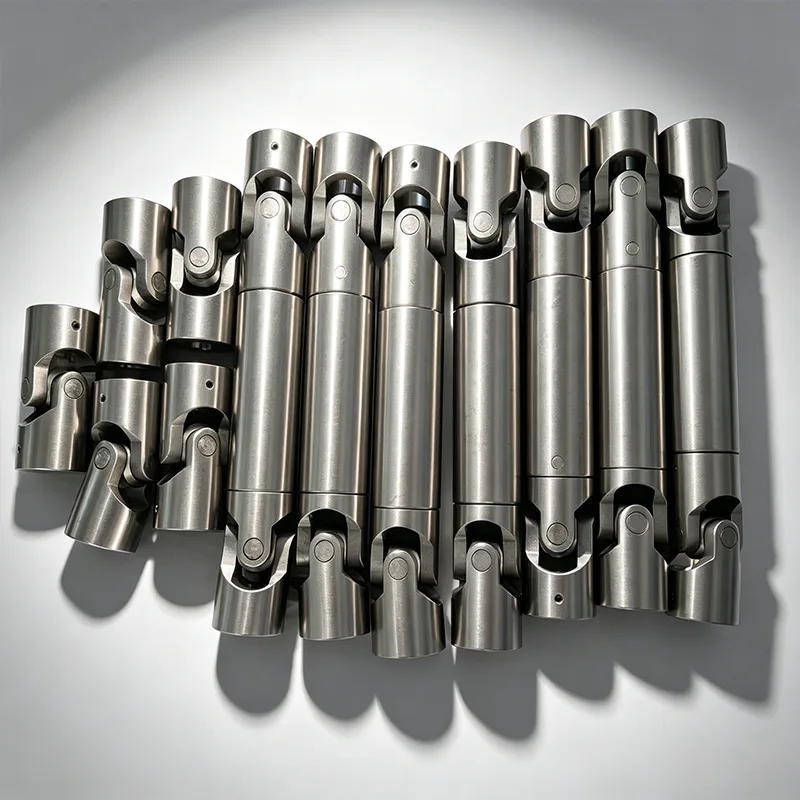
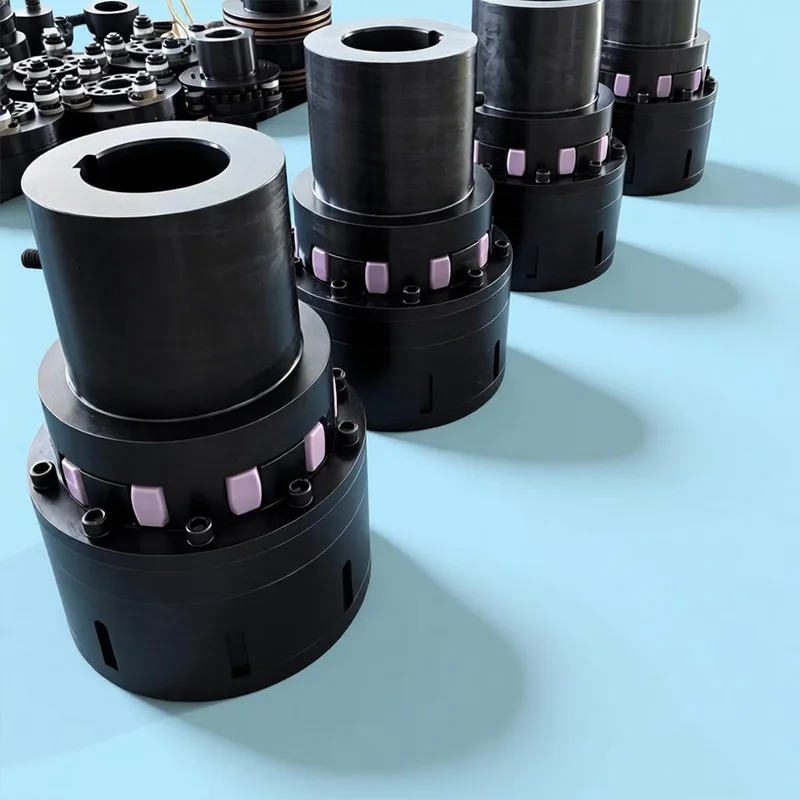
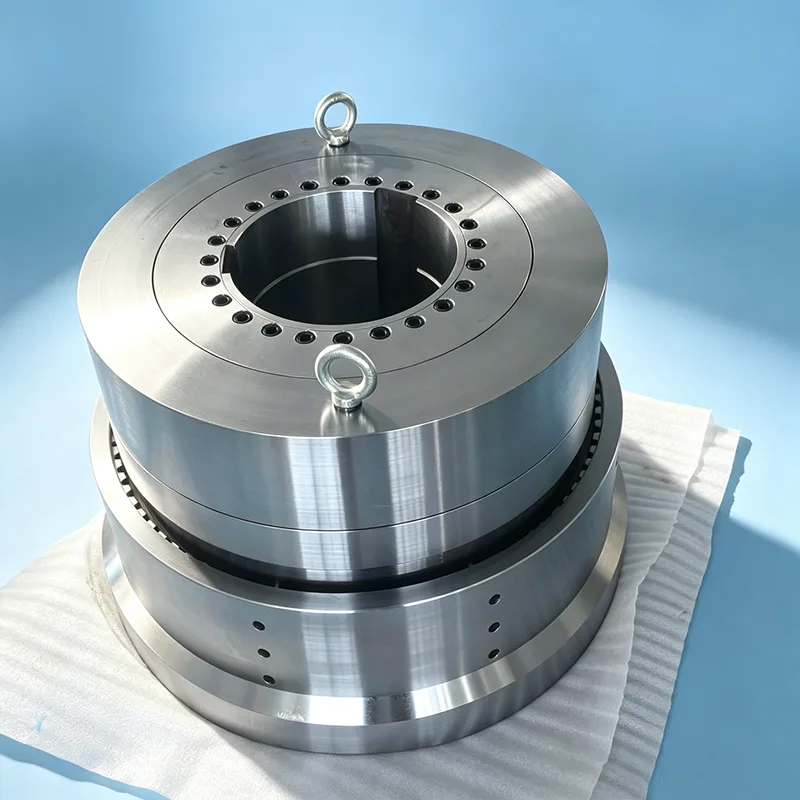
Torque limiter, also known as torque restrictor, safety coupling, or overload protector, is a mechanical transmission safety protection component. It is a protective device installed between the motor, reducer, transmission shaft, and chain/belt drive. The core function is to limit the maximum output torque of the transmission system.
Main Functions
Overload Protection (Core)
When the equipment gets stuck, jams, or experiences a sudden increase in load, if the torque exceeds the set value, it will slip / disengage, cutting off the power transmission and preventing the motor from burning out, gears from breaking, shafts from fracturing, and chains from snapping.
Buffer impact loads
When starting, emergency stopping, or when the material impact generates a sudden large torque, the system automatically disengages to protect the entire machine's transmission structure.
Prevent secondary damage to the equipment
During the locked-rotor condition, there will be no forced pulling, thus avoiding damage to the workpiece, mold, and conveying mechanism.
Automatic reset (for most models)
After the fault is resolved and the load returns to normal, the transmission can automatically reconnect, eliminating the need for manual disassembly and assembly.
We use cookies to offer you a better browsing experience, analyze site traffic and personalize content. By using this site, you agree to our use of cookies.Privacy Policy