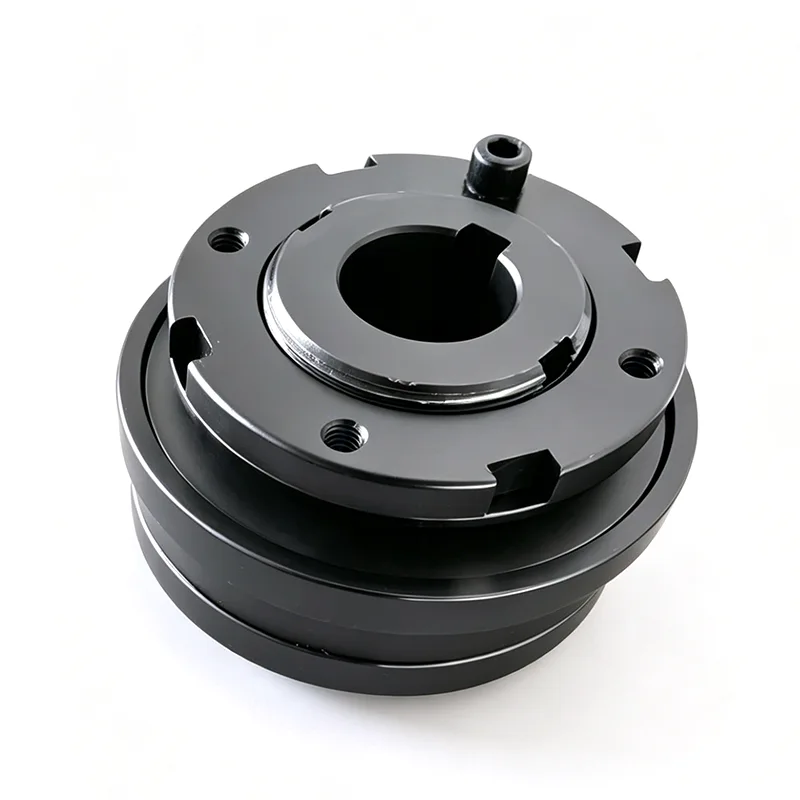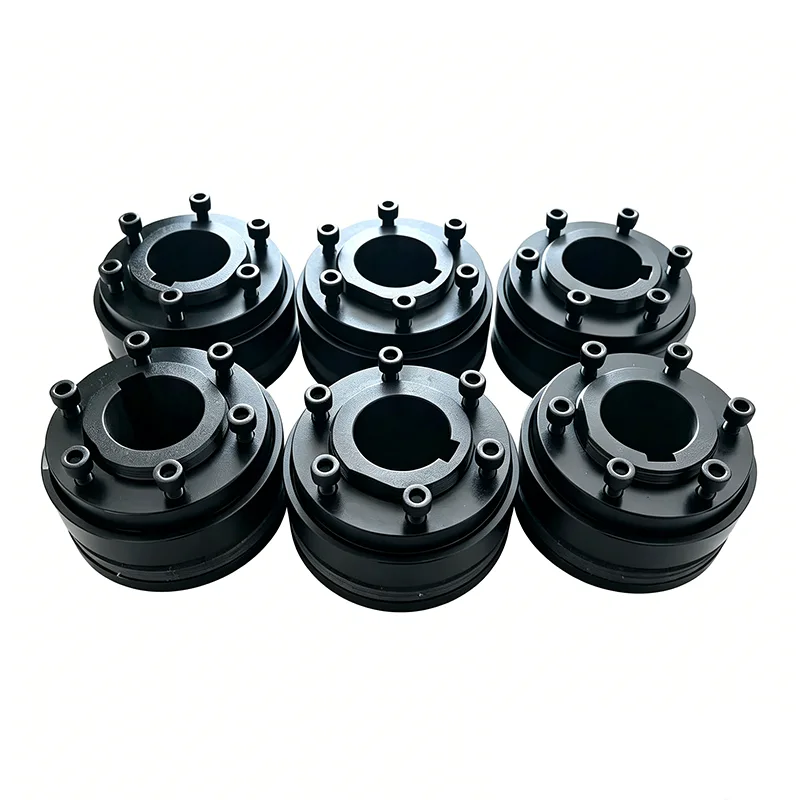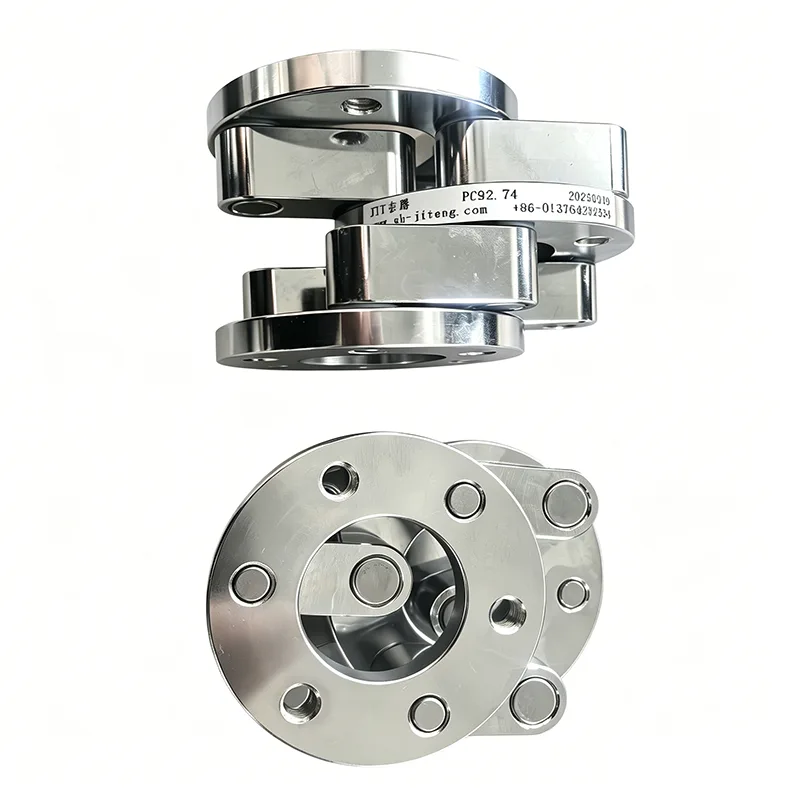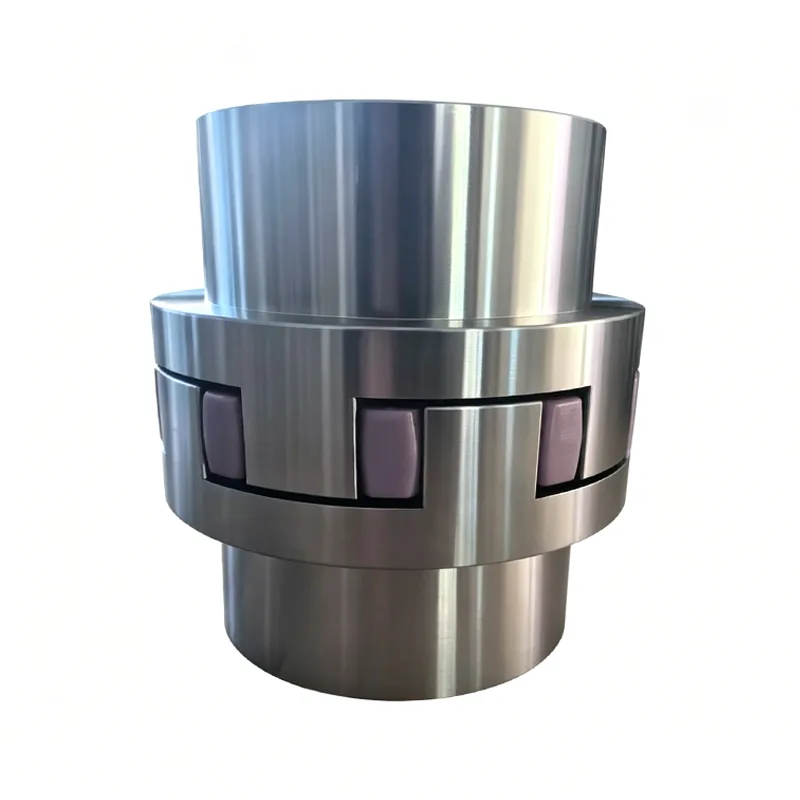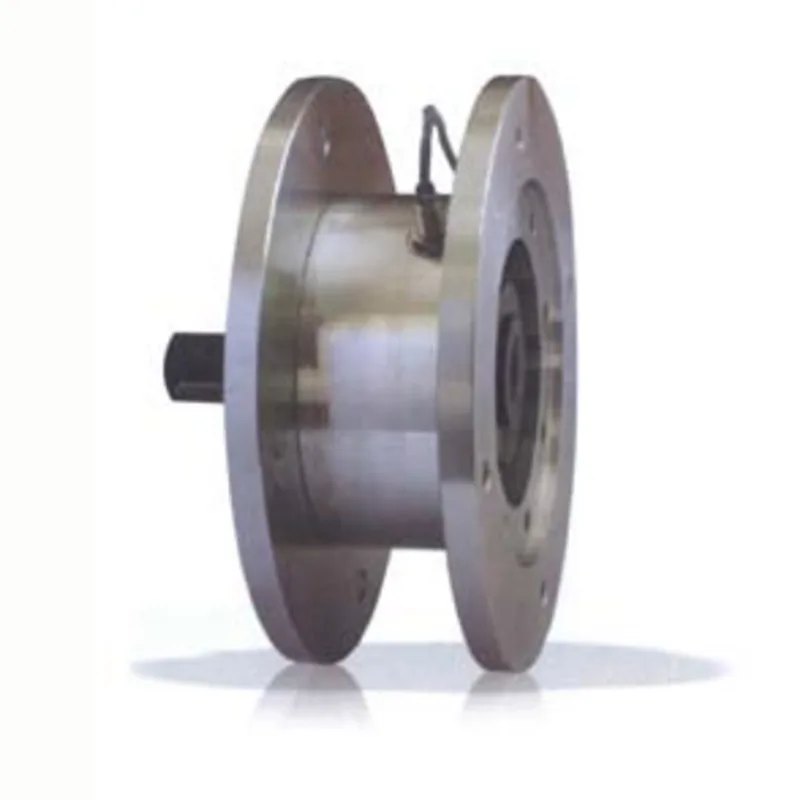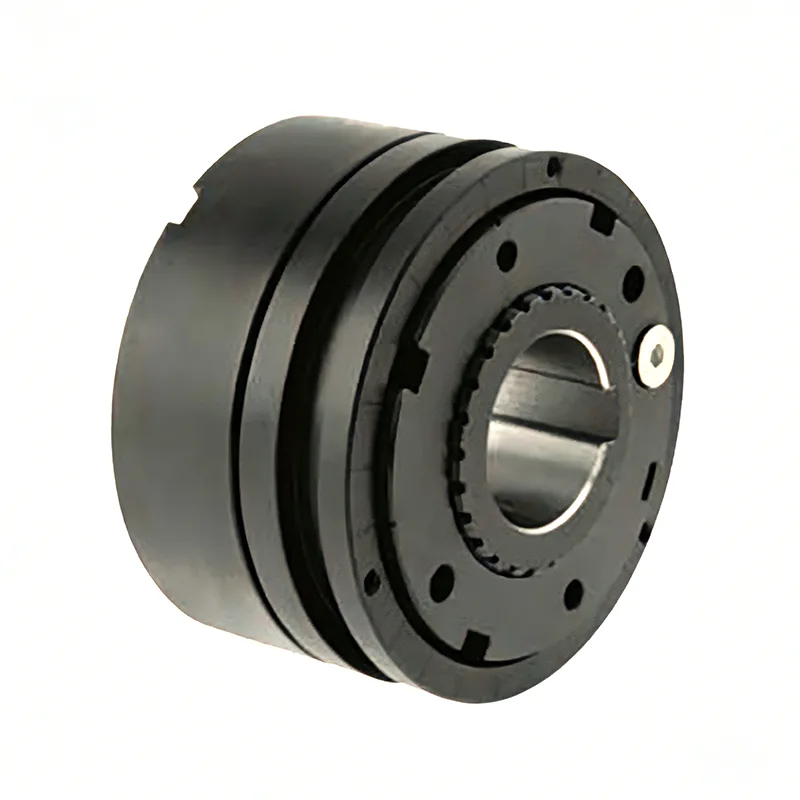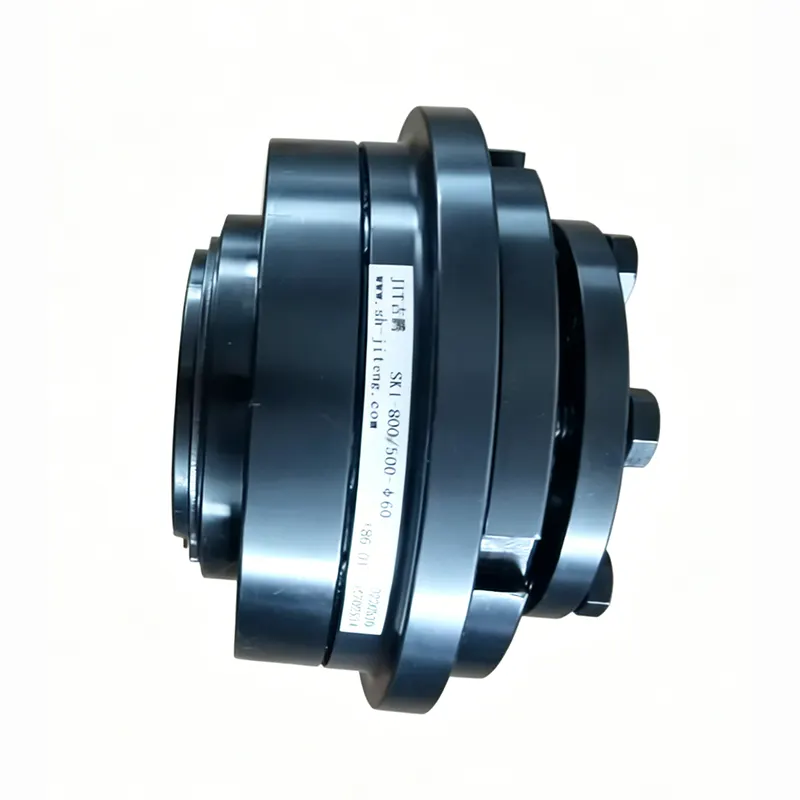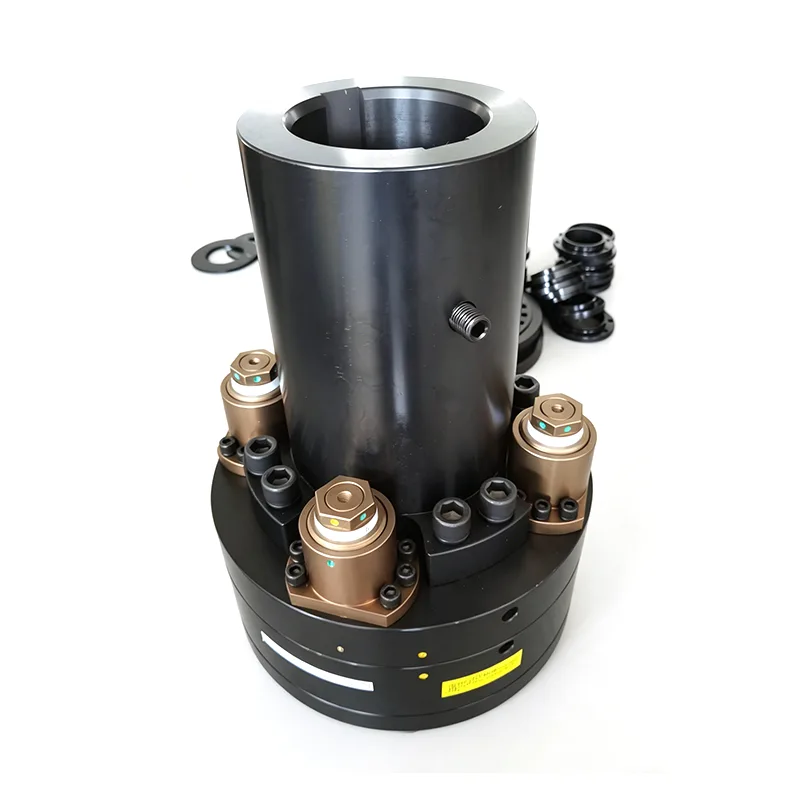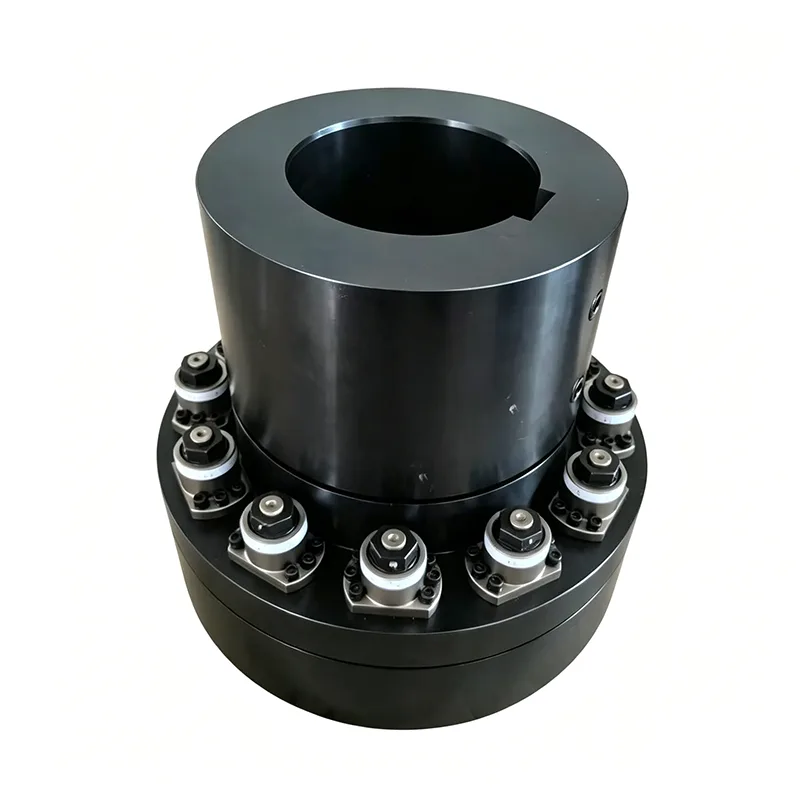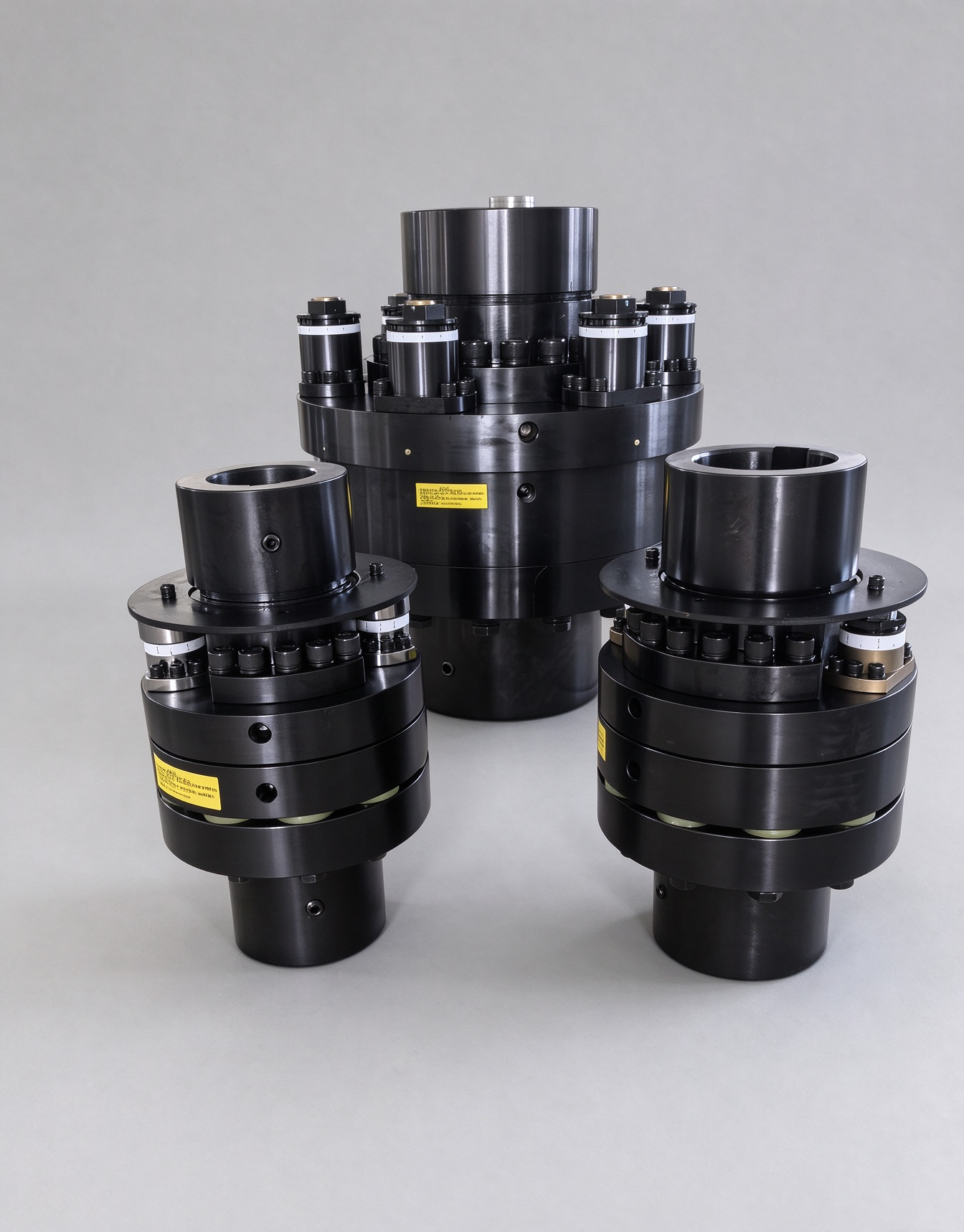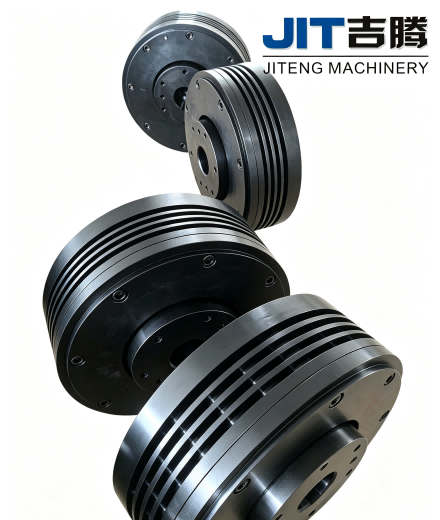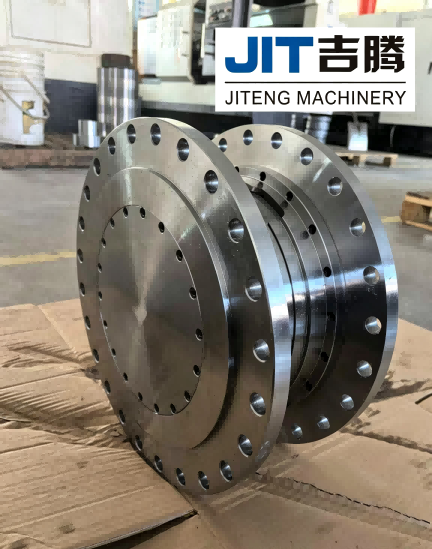
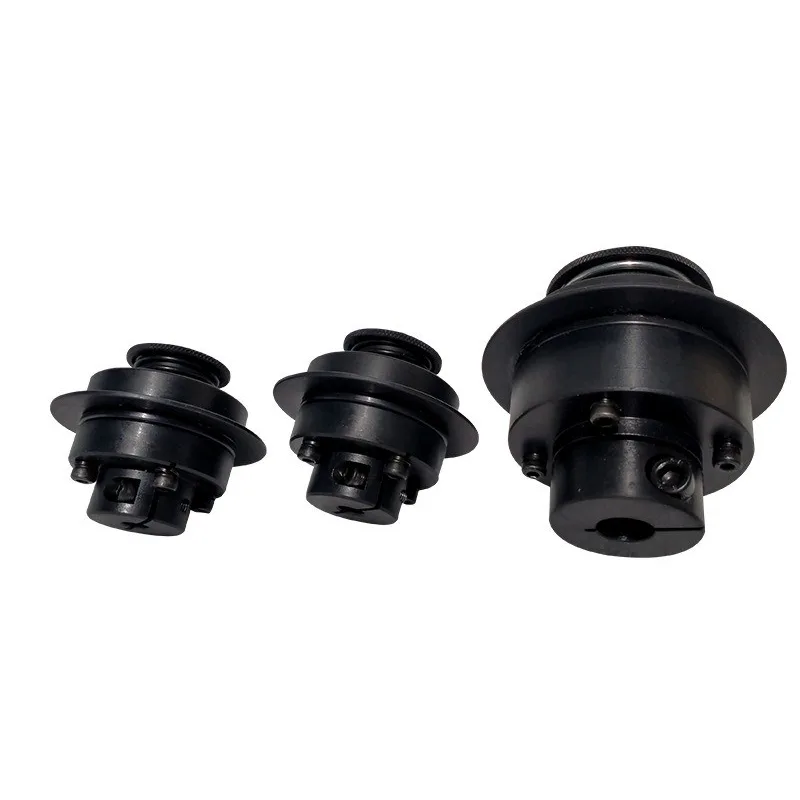
The Roller Type Torque Limiter is a widely used mechanical safety component within industrial transmission systems. Leveraging a mature roller-engagement structure, it achieves precise torque control; unlike electronically controlled safety devices, it relies entirely on mechanical mechanisms to execute overload protection actions.
When the equipment encounters abnormal operating conditions—such as jamming, stalling, or excessive load—the device automatically slips and disengages, severing power transmission. This prevents failures at the source, safeguarding critical components—such as motors, reducers, and spindles—against issues like shaft breakage or component fracture.
(M): Bore diameter and pitch of the set screws inside the torque adjusting nut.
(N): Depth of the mounting bolt holes.
(S): Dimension of the pre-drilled holes.
(U): Maximum machinable bore diameter.
(X): Bounce distance of the detection pressure plate when overload occurs.
(Ymax): Maximum locking length of the torque adjusting nut.
(Z): Height of the torque adjusting nut when the spring is unloaded.
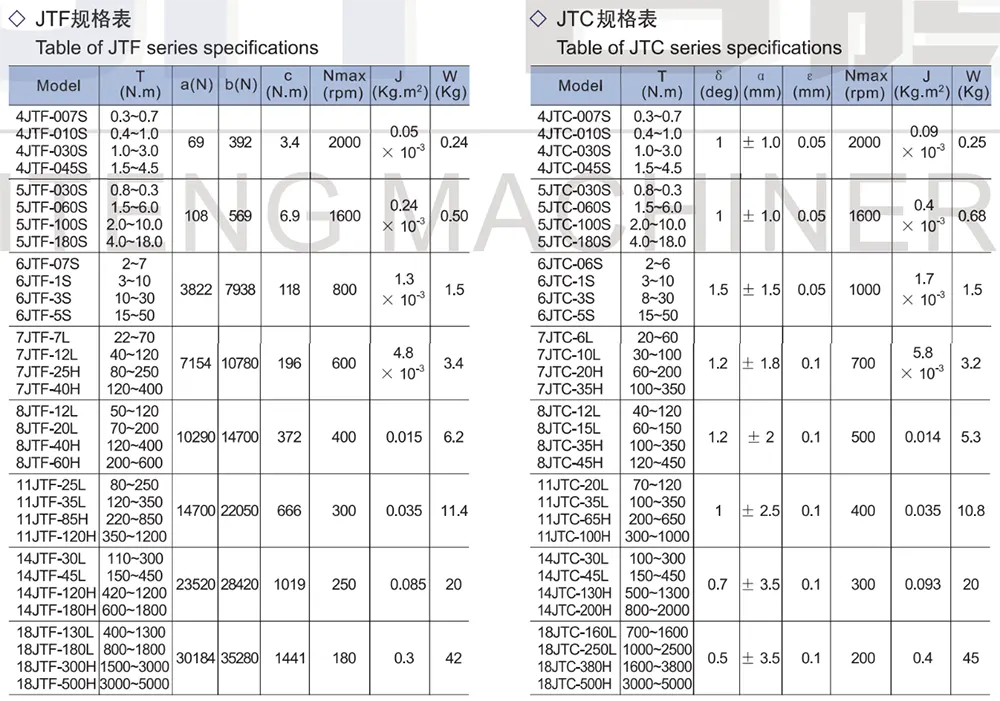
(T): Adjustment range of the tripping torque. (δ): Maximum allowable angular misalignment error.
(α): Maximum allowable axial clearance between the two connected shaft centers.
(ε): Maximum allowable parallel (offset) misalignment error.
(Nmax): Maximum allowable rotational speed.
(J): Moment of inertia of the torque limiter.
(W): Weight.
Note 1: The clearance error is determined based on dimension set H, which gives the maximum allowable axial shaft distance.
Note 2: The parallel (offset) misalignment error indicates the maximum tolerance of the torque-transmitting steel balls.
Note 3: For operation at speeds exceeding Nmax (RPM), please consult our company.
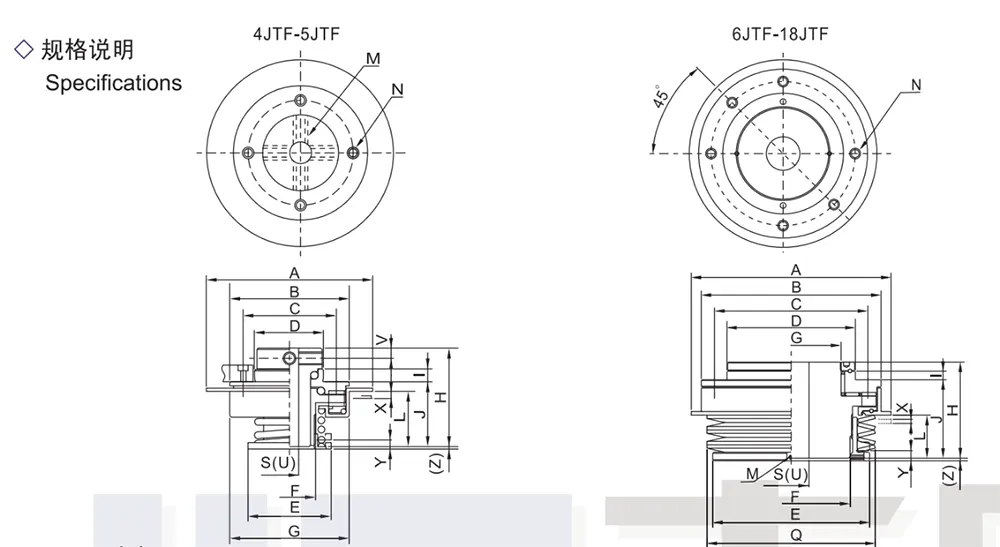
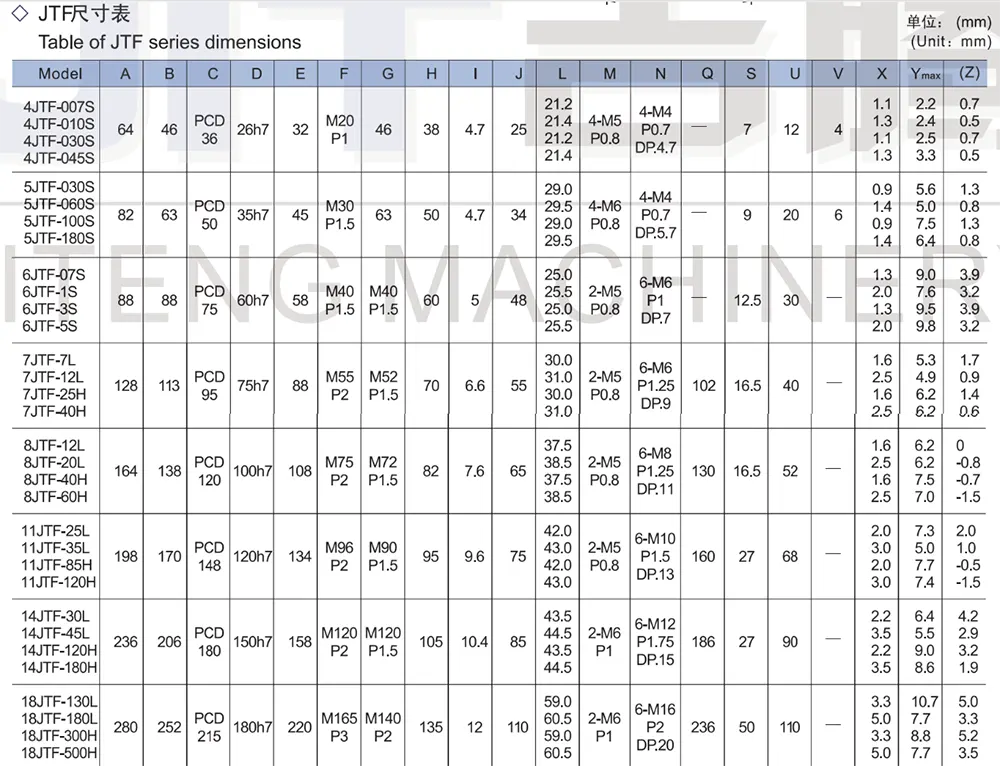
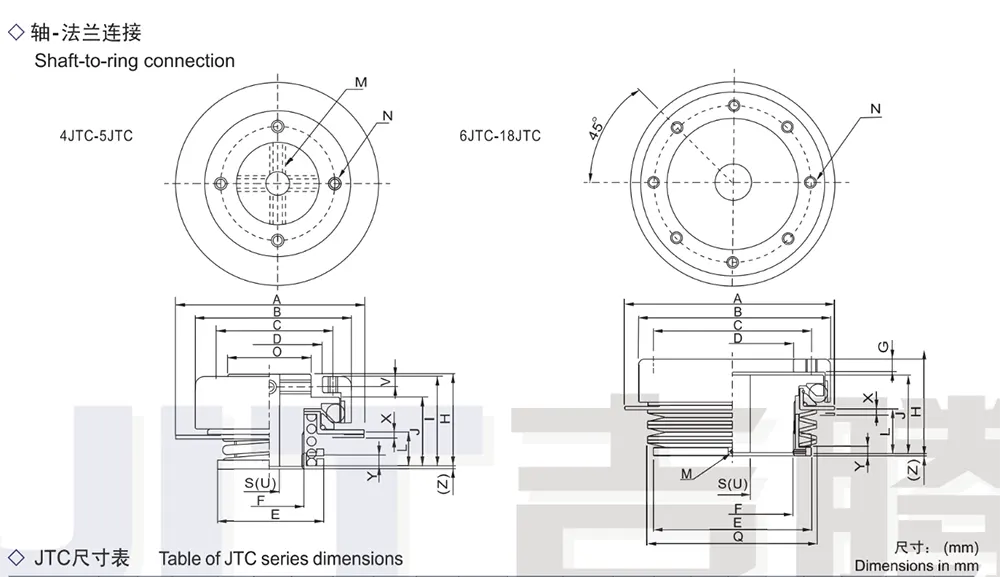
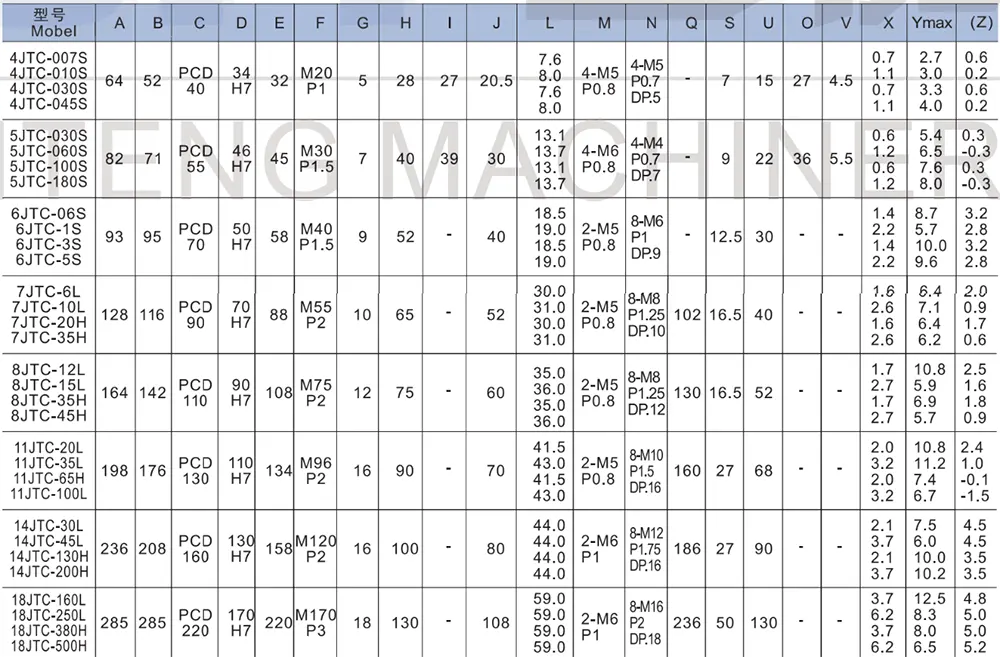
The Roller Type Torque Limiter features a purely mechanical, integrated design. It relies on physical engagement and disengagement to provide overload protection; its operating logic is simple and reliable, ensuring a low risk of failure even during long-term use.
- Core Engagement Structure: The unit employs a roller-engagement transmission mechanism throughout. Its components are precision-machined with optimized engagement clearances, allowing for stable torque transmission under normal conditions and ensuring the equipment operates smoothly.
- Overload Disengagement Principle: When the equipment jams, locks up, or the load exceeds the preset limit, the internal rollers are displaced by the applied force. The device automatically slips and disengages, rapidly cutting off power transmission and preventing shock loads from being directly transmitted to the spindle and motor.
- Reset and Recovery Logic: Once the equipment fault has been cleared and the load has returned to normal levels, the device can quickly re-engage and reset to its normal transmission state without requiring the disassembly of the entire machine. This significantly reduces downtime required for maintenance.
- Precise Torque Setting: Supports stepless, flexible adjustment of torque values, allowing for the precise definition of the equipment's protection threshold. Operators can freely configure parameters to match the specific load, power output, and required safety level of the equipment.
- Rapid Overload Response: In the event of abnormal conditions—such as stalling, material jamming, or overloading—the Roller Type Torque Limiter executes an instantaneous disengagement and power-cutoff action. Its highly sensitive response immediately blocks shock forces, thereby protecting the critical components of the entire machine.
- Purely Mechanical Control Design: The unit features an entirely mechanical structure; it contains no electronic controllers, sensors, or other electrical components. Requiring no external power supply or control signals, it fundamentally eliminates potential failure risks associated with circuit aging or signal malfunctions. Environmental Adaptability and Installation Advantages
Optimized for the complex operating conditions found in workshops, this device features strong interference immunity and broad installation versatility, making it compatible with a wide variety of transmission and assembly configurations.
- Harsh Environment Tolerance: Possesses exceptional resistance to interference; it maintains stable operation even in conditions involving heavy dust accumulation, oil contamination, or continuous equipment vibration, making it suitable for all types of harsh production environments.
- Compact Body Design: The overall structure is streamlined and compact—significantly smaller in volume than traditional friction-type torque limiters—ensuring it does not occupy excessive installation space and is well-suited for compact automated equipment layouts.
- Versatile Assembly Compatibility: Highly versatile in structure, it accommodates various standard transmission assembly methods—including shaft-end mounting, flange mounting, and chain or belt drives—making it compatible with the vast majority of transmission systems.
- High Torque Control Precision: Features clear and precise protection thresholds; under normal loads, power transmission occurs with zero loss and stable efficiency. In critical overload situations, it can interrupt power transmission within milliseconds, ensuring stable and reliable protection.
- Shock Resistance and Fatigue Endurance: Capable of withstanding the alternating loads generated by frequent equipment starts and stops, as well as the instantaneous shock loads caused by material jams. Its superior fatigue resistance effectively extends the overall service life of the Roller Type Torque Limiter.
- Smooth No-Load Reset: Once an overload fault has been cleared, the device resets smoothly under no-load conditions, avoiding issues such as jamming or reset failure, thereby helping production lines quickly resume their operational rhythm.
- Conveying Machinery: Various material conveyors, hoists, and feeding equipment; specifically designed to resolve sudden overload issues caused by material accumulation or jamming during the conveying process.
- Light Industry Processing Equipment: Packaging machinery, woodworking machinery, and printing machinery; ideally suited for the operating conditions typical of light industrial equipment, which involve high-frequency starts/stops and a susceptibility to instantaneous stalling.
- Chemical and Automation Equipment: Chemical transmission systems, automated assembly lines, and intelligent processing equipment; provides 24/7 overload safety protection for industrial production lines requiring continuous, uninterrupted operation.
- Q1: What is the difference between a Roller Type Torque Limiter and a friction-type torque limiter?
A1: The roller-type mechanism utilizes alloy steel rollers for positive engagement transmission, relying on a precise mechanical structure for disengagement; this results in superior torque accuracy and excellent repeatability. In contrast, the friction-type mechanism relies on the slippage of friction plates for overload protection, which typically yields lower accuracy and is prone to wear. The roller-type model is therefore better suited for automated equipment subject to frequent jamming, high-frequency start-stop cycles, or applications requiring a high degree of protection precision.
- Q2: Is a sensor required for operation?
A2: This product is a purely mechanical overload protector; it requires no sensors, electronic control modules, or external power sources. It relies solely on its internal roller structure to handle both power transmission and overload disengagement. This design offers superior resistance to interference, making it highly suitable for harsh operating environments—such as those involving dust, oil contamination, or high humidity—where electronic control components would be unsuitable.
- Q3: Under which operating conditions is the Roller Type Torque Limiter not recommended?
A3: It is not suitable for applications involving prolonged, continuous slippage. If the equipment requires a sustained buffering of overload conditions—rather than an instantaneous interruption of force—we recommend opting for a friction-type mechanism instead. The roller-type mechanism is best suited for scenarios involving instantaneous stalling, material jamming, or sudden, abrupt overload protection requirements.
- Q4: What is the approximate service life, and what routine maintenance is required?
A4: The alloy steel rollers are highly resistant to both wear and compression; under normal operating conditions, their service life significantly exceeds that of standard friction-type products. Routine maintenance does not require frequent lubrication; users simply need to periodically clean surface dust and oil residues, and verify the torque setting value. Consequently, maintenance costs are extremely low.
Address
No. 1068 Jinyang East Road, Lujia Town, Kunshan City, Jiangsu Province, China
Tel
If you have any enquiry about quotation or cooperation, please feel free to email us at jiteng2009@126.com or use the following inquiry form.Our sales representative will contact you within 24 hours. Thank you for your interest in our products.