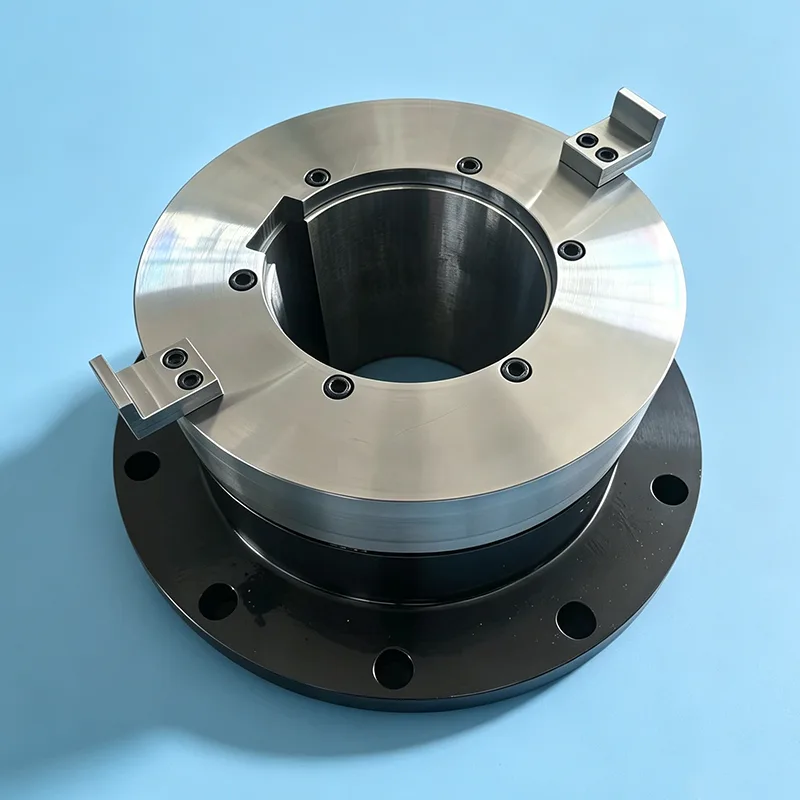

Article Summary
A Telescopic Universal Joint is an advanced mechanical transmission component designed to solve common challenges in industrial equipment, including shaft misalignment, changing installation distances, vibration control, and reliable torque transfer. In modern machinery, where precision and durability are essential, choosing the right coupling solution can significantly influence equipment performance and maintenance costs.
This article explains how a Telescopic Universal Joint works, why industries choose this flexible transmission solution, what problems it solves, and how Jiteng provides reliable solutions for different mechanical applications. From design principles to practical selection considerations, this guide helps engineers and purchasing teams make informed decisions.

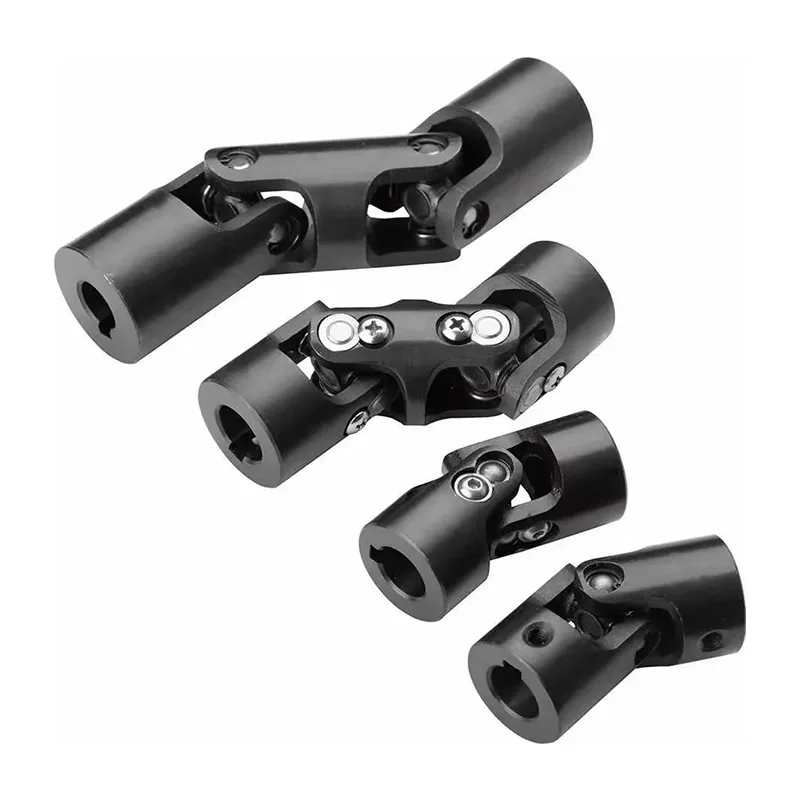
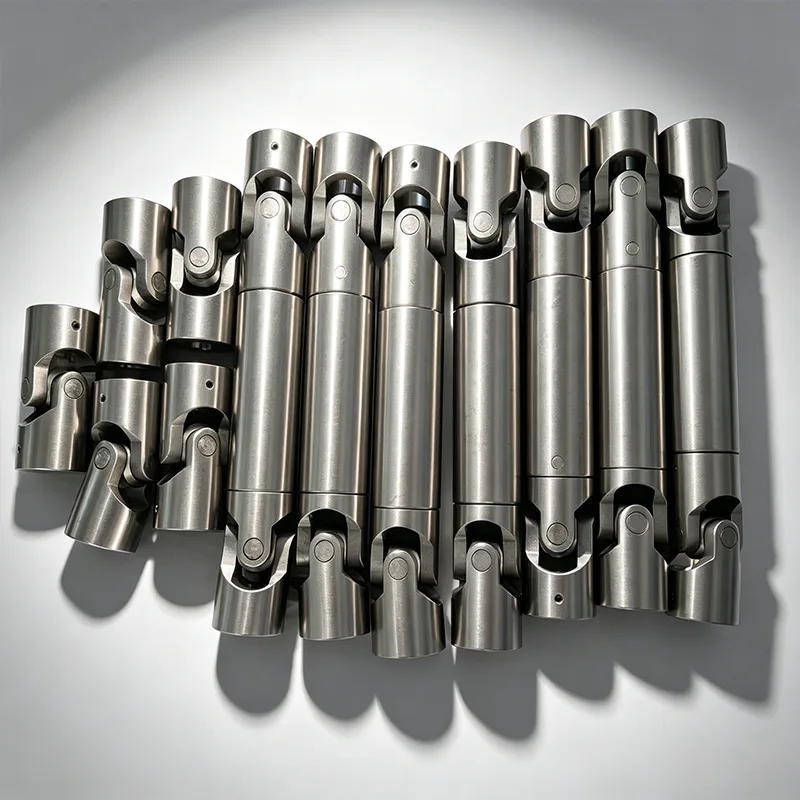
A Telescopic Universal Joint is a mechanical coupling device that combines the flexibility of a universal joint with the adjustable length capability of a telescopic shaft. It is mainly used to transmit rotational power between two shafts that may experience angular misalignment or changes in distance during operation.
Unlike traditional rigid couplings, a Telescopic Universal Joint allows controlled movement along the shaft axis while maintaining effective torque transmission. This makes it especially valuable in machinery where installation space, operating conditions, or equipment movement create alignment challenges.
The structure usually includes universal joint components, sliding spline mechanisms, connecting shafts, and precision-machined parts. The telescopic section enables the shaft length to expand or contract, while the universal joint mechanism compensates for angular displacement.
| Component | Function |
|---|---|
| Universal Joint Assembly | Allows torque transmission between shafts with angular differences. |
| Telescopic Shaft | Provides length adjustment to compensate for axial movement. |
| Spline Structure | Ensures smooth sliding movement while transferring rotational force. |
| Bearings and Bushings | Reduce friction and improve operating stability. |
The working principle of a Telescopic Universal Joint is based on coordinated movement between rotational transmission and axial adjustment. When the driving shaft rotates, the universal joint transfers torque through the cross mechanism to the connected shaft.
At the same time, the telescopic structure allows the shaft length to change according to the distance between connected components. This prevents excessive stress caused by fixed-length connections.
For example, when industrial equipment experiences thermal expansion, vibration, or mechanical movement, the distance between shafts may slightly change. A Telescopic Universal Joint absorbs these variations while maintaining stable power transmission.
Many industrial machines face transmission problems caused by inaccurate alignment, limited installation space, or continuous mechanical movement. A Telescopic Universal Joint provides an effective solution for these challenges.
| Common Problem | Impact on Equipment | How the Solution Helps |
|---|---|---|
| Shaft Misalignment | Creates vibration and uneven load distribution. | Compensates for angular deviation between shafts. |
| Changing Shaft Distance | Causes excessive stress on rigid couplings. | Provides adjustable shaft length. |
| Frequent Maintenance | Increases downtime and operating costs. | Improves durability and reduces mechanical stress. |
| Limited Installation Space | Makes traditional connection methods difficult. | Offers flexible installation possibilities. |
By addressing these issues, a Telescopic Universal Joint helps companies improve machine reliability, reduce unexpected failures, and extend equipment service life.
Selecting a suitable transmission component is critical for achieving efficient machine operation. A high-quality Telescopic Universal Joint offers several important advantages.
One of the biggest benefits is its ability to handle multiple types of movement. It can manage angular displacement while allowing axial adjustment, making it more adaptable than many traditional coupling designs.
Precision manufacturing ensures that power can be transferred smoothly even under demanding operating conditions. Proper design reduces energy loss and improves mechanical efficiency.
Misalignment can create additional loads on bearings, motors, and connected components. A Telescopic Universal Joint reduces these forces by absorbing movement instead of transferring all stress to the machine structure.
With appropriate material selection, machining accuracy, and maintenance practices, telescopic universal joints can provide stable performance for long-term industrial use.
Because of their flexibility and transmission performance, Telescopic Universal Joints are widely used in different industries where reliable mechanical movement is required.
Different industries may require different sizes, materials, torque capacities, and connection methods. Professional manufacturers can provide customized solutions according to application requirements.
Choosing the correct Telescopic Universal Joint requires careful evaluation of operating conditions. The wrong selection may lead to vibration, premature wear, or reduced transmission efficiency.
| Selection Factor | Why It Matters |
|---|---|
| Torque Requirement | Determines whether the joint can handle the required power load. |
| Operating Speed | Affects balance, vibration, and overall service performance. |
| Working Angle | Ensures the joint can accommodate required misalignment. |
| Material Selection | Influences strength, wear resistance, and durability. |
| Installation Space | Determines suitable length adjustment and connection design. |
Engineers should also consider environmental conditions such as temperature, dust, moisture, and maintenance requirements before selecting the final product.
Jiteng focuses on providing dependable mechanical transmission components designed to meet different industrial requirements. With attention to precision manufacturing, product reliability, and application flexibility, Jiteng helps customers solve complex shaft connection challenges.
The Telescopic Universal Joint solutions from Jiteng are developed for applications requiring stable torque transmission, flexible adjustment, and long-term operational performance. Through professional manufacturing capabilities and customer-oriented service, Jiteng supports businesses in improving equipment efficiency and reducing maintenance concerns.
Whether customers need standard products or customized mechanical solutions, Jiteng can provide technical support based on specific machine structures, working environments, and performance requirements.
A Telescopic Universal Joint is designed to transmit rotational power while compensating for angular misalignment and changes in shaft distance. It improves flexibility and reduces mechanical stress in transmission systems.
They are widely used in automation equipment, manufacturing machinery, engineering systems, packaging machines, and other industrial applications requiring flexible power transmission.
The telescopic structure allows the shaft length to adjust during operation, reducing stress caused by movement, installation differences, or thermal expansion.
Yes. Jiteng can offer customized solutions based on different equipment requirements, including dimensions, materials, and performance specifications.
The selection should consider torque, speed, working angle, installation environment, and required adjustment range. Professional technical guidance can help ensure the best match.
A Telescopic Universal Joint is an essential mechanical component for modern transmission systems that require flexibility, precision, and reliable performance. By combining angular compensation with adjustable shaft length, it solves many challenges faced by traditional rigid connections.
For companies looking for durable and customized transmission solutions, Jiteng provides professional Telescopic Universal Joint products designed to support efficient and stable machine operation. Contact us today to discuss your requirements and discover the right solution for your application.