
Article Summary:
A torque limiter is a critical mechanical protection component designed to prevent damage caused by excessive torque, sudden overloads, and unexpected machine blockages. In modern industrial equipment, downtime, repair costs, and safety risks are major concerns for manufacturers. By disconnecting or reducing torque transmission when abnormal conditions occur, a properly selected torque limiter helps improve equipment reliability, extend component life, and maintain stable production efficiency. This article explains how torque limiters work, why they are important, how to select the right solution, and how Shanghai Jiteng provides reliable torque protection solutions for different industrial applications.

Industrial machines often operate under high-speed and high-load conditions. During normal operation, power transmission systems are designed to transfer torque efficiently from motors to driven components. However, unexpected situations such as material blockage, mechanical collision, improper operation, or sudden load changes can create excessive torque.
Without proper protection, excessive torque can damage shafts, gears, motors, couplings, and other expensive components. Machine downtime caused by mechanical failure can also reduce productivity and increase maintenance expenses.
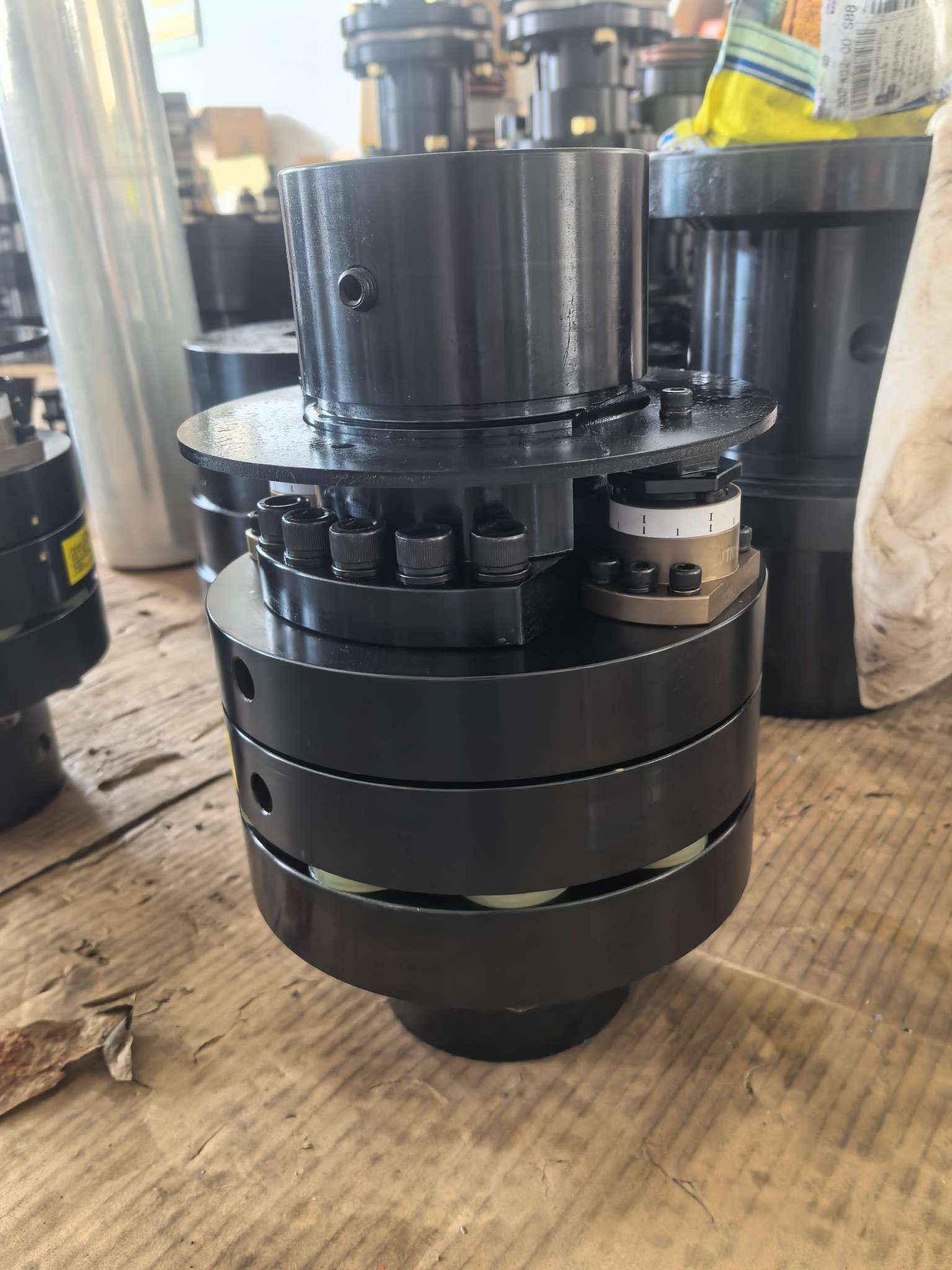
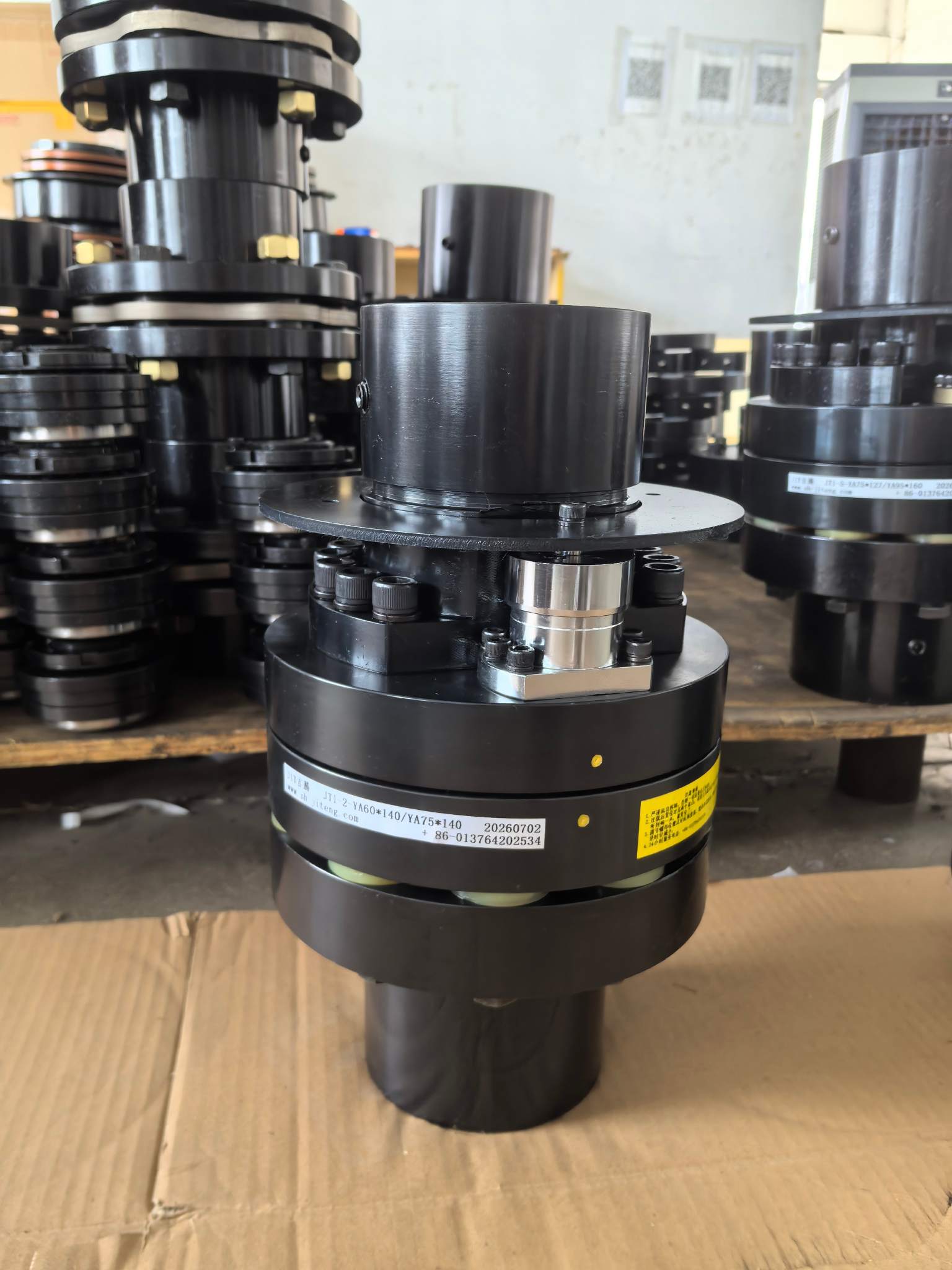
A Torque Limiter solves this problem by controlling the amount of torque transferred through a drive system. When torque exceeds the preset safety value, the limiter automatically slips, disconnects, or releases the drive connection, protecting the entire mechanical system from severe damage.
The operating principle of a torque limiter is based on controlled torque interruption. It is installed between the driving component and the driven component, acting as a safety connection point.
During normal operation, the torque limiter transfers power smoothly while maintaining accurate torque transmission. When abnormal torque appears, the internal mechanism responds immediately.
| Working Condition | Torque Limiter Response | System Protection Result |
|---|---|---|
| Normal load operation | Transfers torque continuously | Stable machine performance |
| Temporary overload | Slips or releases torque transmission | Prevents mechanical damage |
| Severe blockage | Disconnects power transmission | Protects motors and components |
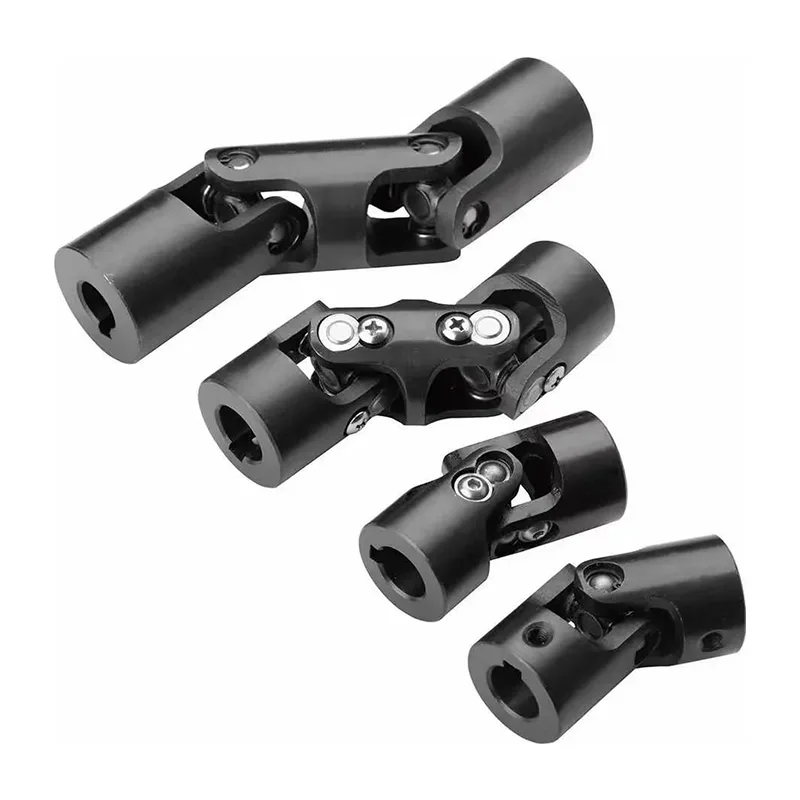
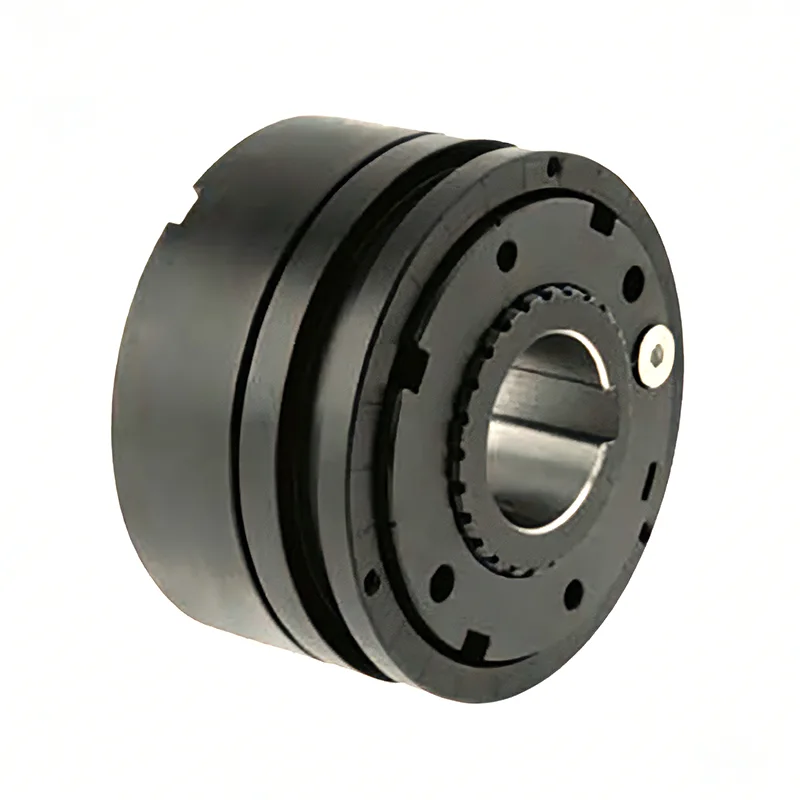
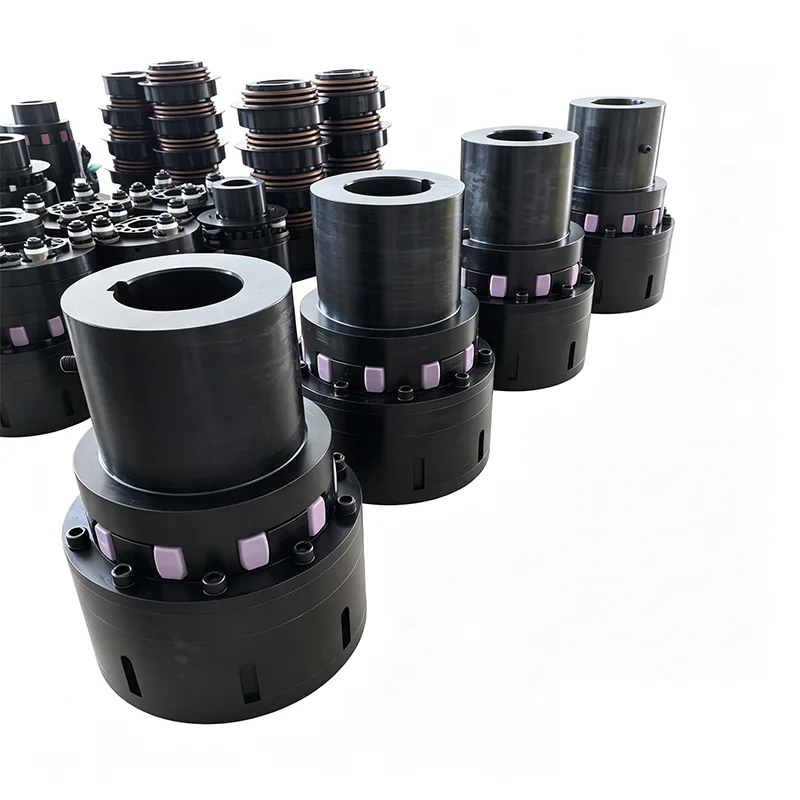
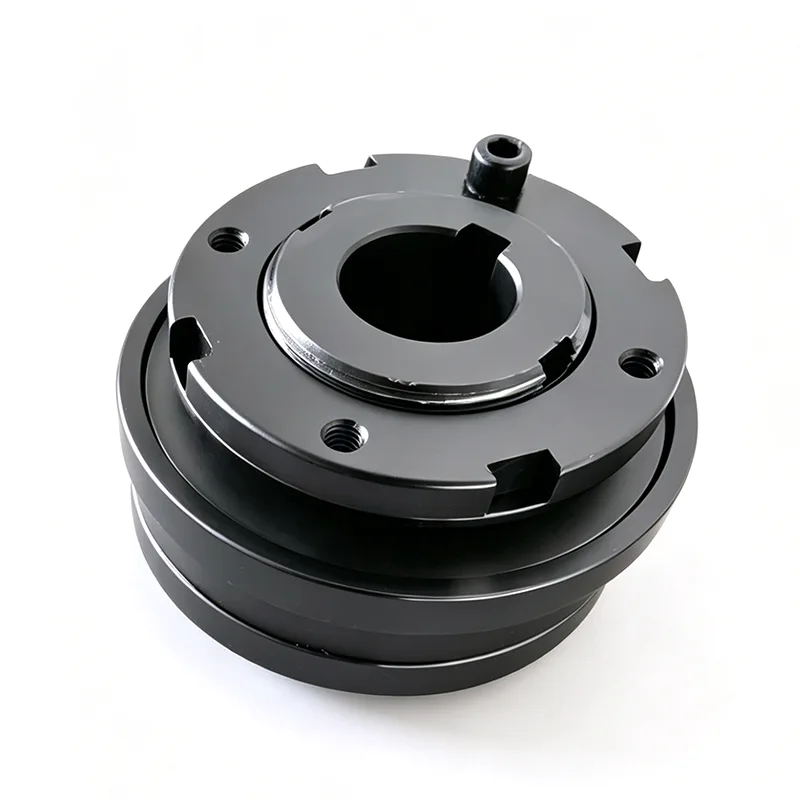
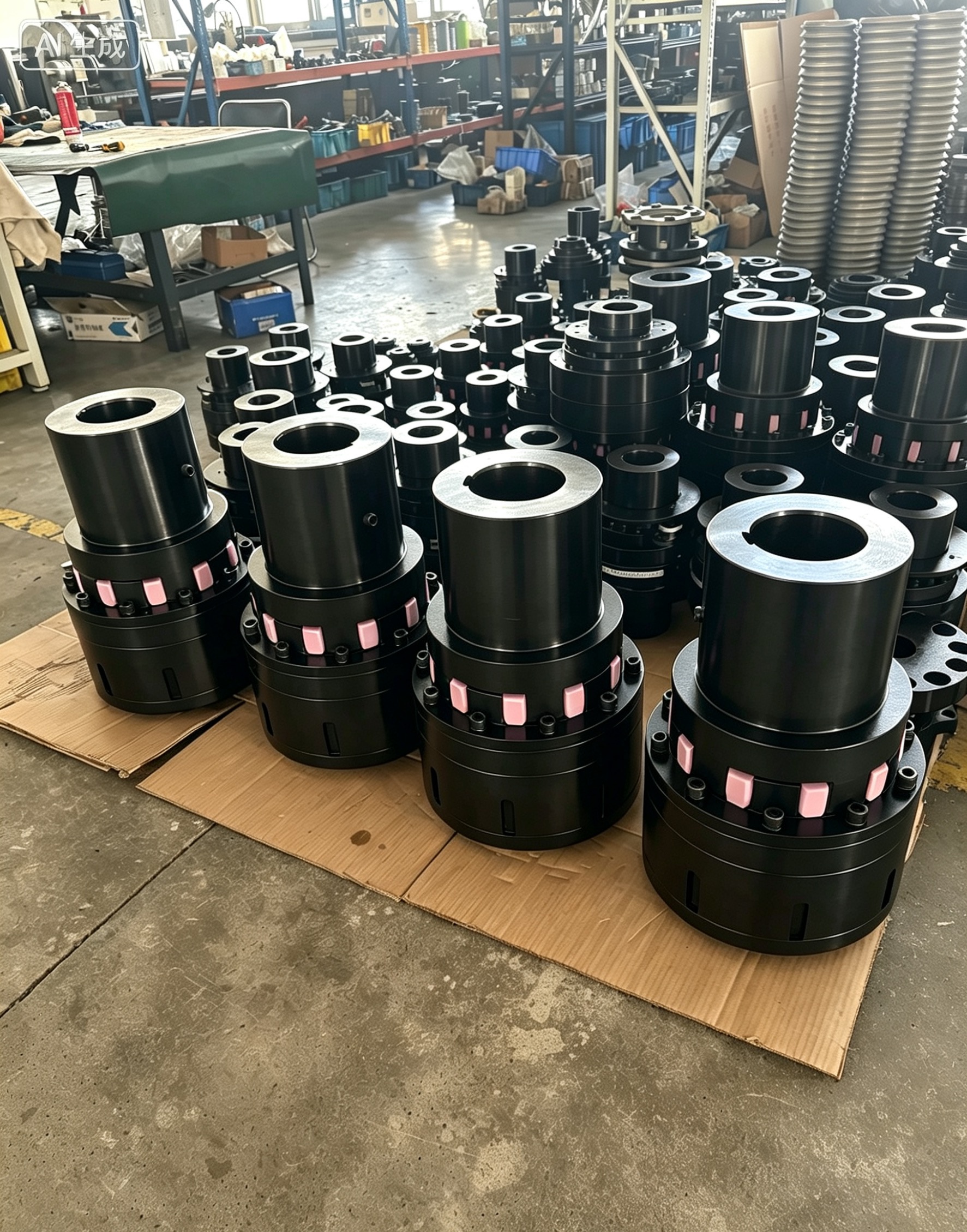
Different torque limiter designs use different mechanisms, including friction plates, ball detent systems, magnetic structures, and overload release technologies. The specific design depends on machine requirements, torque range, speed, and operating environment.
Many industrial failures are not caused by normal wear but by unexpected overload events. A machine may run efficiently for thousands of hours but experience serious damage within seconds after a sudden torque spike.
Installing a torque limiter provides several important advantages:
For industries such as packaging, automation, robotics, food processing, textile machinery, and manufacturing equipment, torque protection is essential for maintaining reliable operation.
Different machines require different torque protection methods. Choosing the correct type ensures better performance and longer service life.
| Torque Limiter Type | Features | Typical Applications |
|---|---|---|
| Friction Torque Limiter | Uses friction plates to release overload torque | Conveyors, packaging machines, industrial drives |
| Ball Detent Torque Limiter | Provides accurate torque release through mechanical locking | Precision automation equipment |
| Flexible Torque Limiter | Combines overload protection with vibration reduction | Motor and gearbox systems |
| Electronic Torque Protection System | Uses sensors and control systems | Advanced automated machinery |
Selecting an unsuitable torque limiter may result in insufficient protection or unnecessary interruptions. Engineers should evaluate several important factors before choosing a model.
| Selection Factor | Why It Matters |
|---|---|
| Torque Range | Ensures accurate overload protection |
| Material Quality | Improves durability and reliability |
| Response Speed | Reduces damage during overload events |
| Maintenance Requirements | Affects long-term operating cost |
A high-quality torque limiter delivers long-term value by improving machine protection and operational efficiency.
For companies investing in automation and precision manufacturing, torque protection is not only a safety measure but also an important strategy for reducing operational risks.
Although torque limiters are designed for durability, regular inspection helps maintain consistent performance.
Proper maintenance ensures that the torque limiter can respond accurately when overload conditions occur.
Shanghai Jiteng focuses on providing dependable mechanical transmission solutions for industrial applications. The company understands that every machine has different operating conditions, torque requirements, and installation challenges.
By combining practical engineering experience with reliable manufacturing processes, Shanghai Jiteng develops torque limiter solutions designed to improve machine safety, reduce unexpected downtime, and provide stable torque control.
Whether used in automated production lines, industrial machinery, or customized transmission systems, Shanghai Jiteng supports customers with professional solutions that match their application requirements.
Q1: What is the main purpose of a torque limiter?
A torque limiter protects mechanical systems by preventing excessive torque from damaging connected components. It automatically releases or reduces torque transmission when overload conditions occur.
Q2: Where are torque limiters commonly used?
Torque limiters are widely used in automation equipment, conveyors, packaging machinery, robotics, manufacturing systems, and many other industrial applications.
Q3: How often should a torque limiter be maintained?
Maintenance frequency depends on operating conditions, load cycles, and working environment. Regular inspection during equipment maintenance schedules is recommended.
Q4: Can a torque limiter be customized?
Yes. Different machines require different torque values, sizes, and connection methods. Customized torque limiter solutions can be developed according to specific application needs.
Q5: What happens when a torque limiter reaches its set torque?
When the preset torque value is exceeded, the torque limiter activates its protection mechanism by slipping or disconnecting the drive, preventing further damage.
A torque limiter plays an essential role in modern mechanical systems by providing reliable overload protection and improving equipment safety. By selecting the correct torque range, design type, and application-specific solution, companies can reduce downtime, protect valuable machinery, and maintain stable production performance.
Shanghai Jiteng provides professional torque limiter solutions designed for different industrial requirements. If you need reliable torque protection products or customized transmission solutions, please contact us today to discuss your application needs and find the right solution.