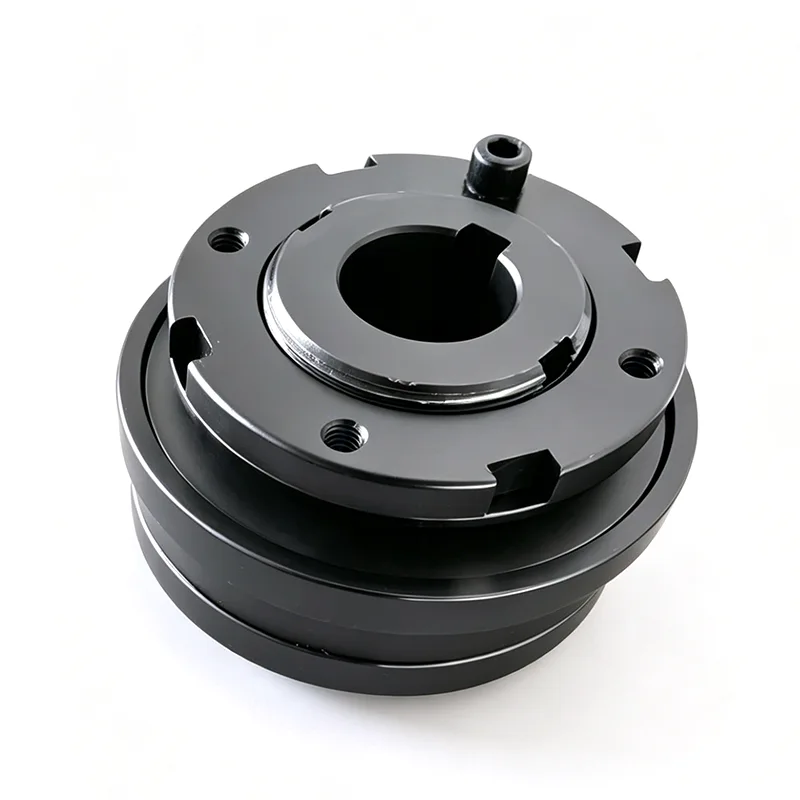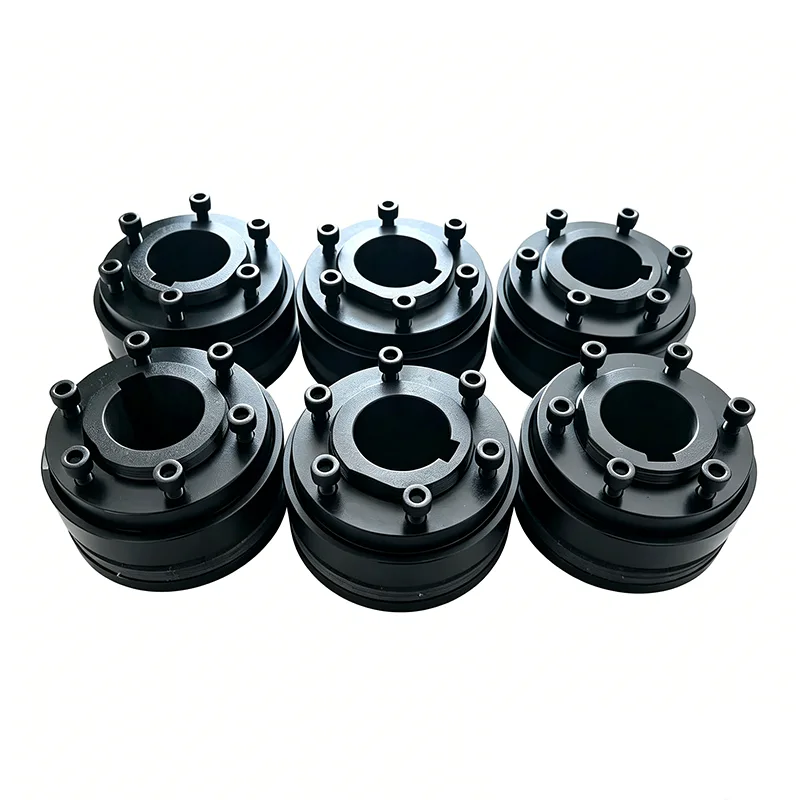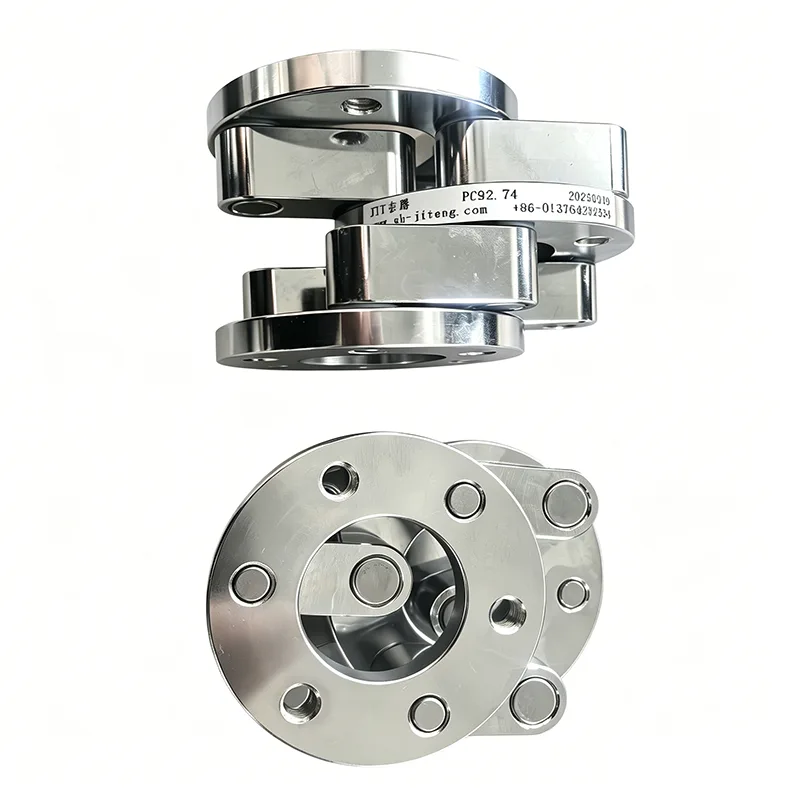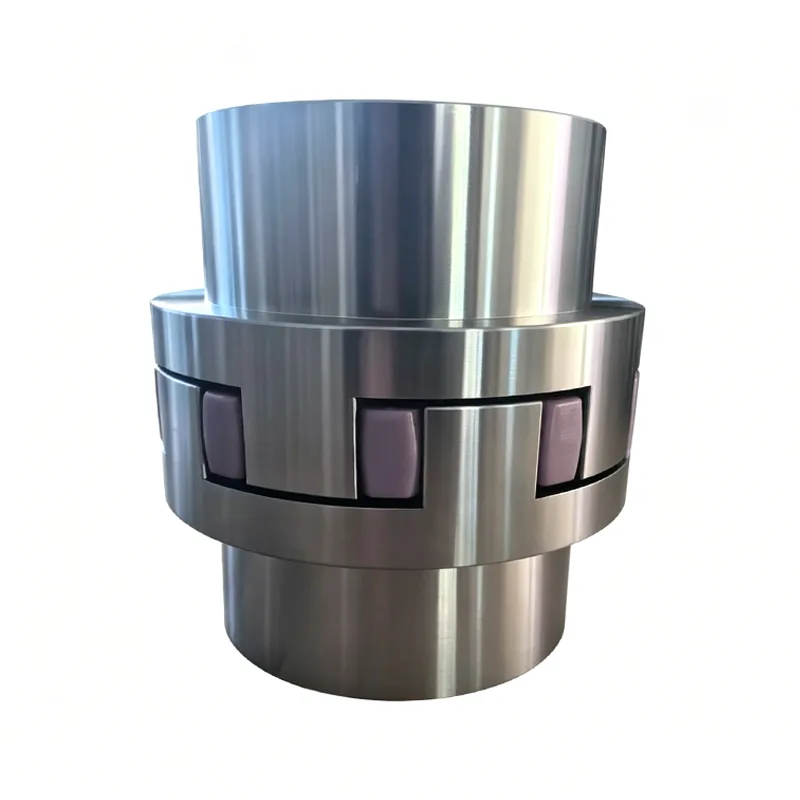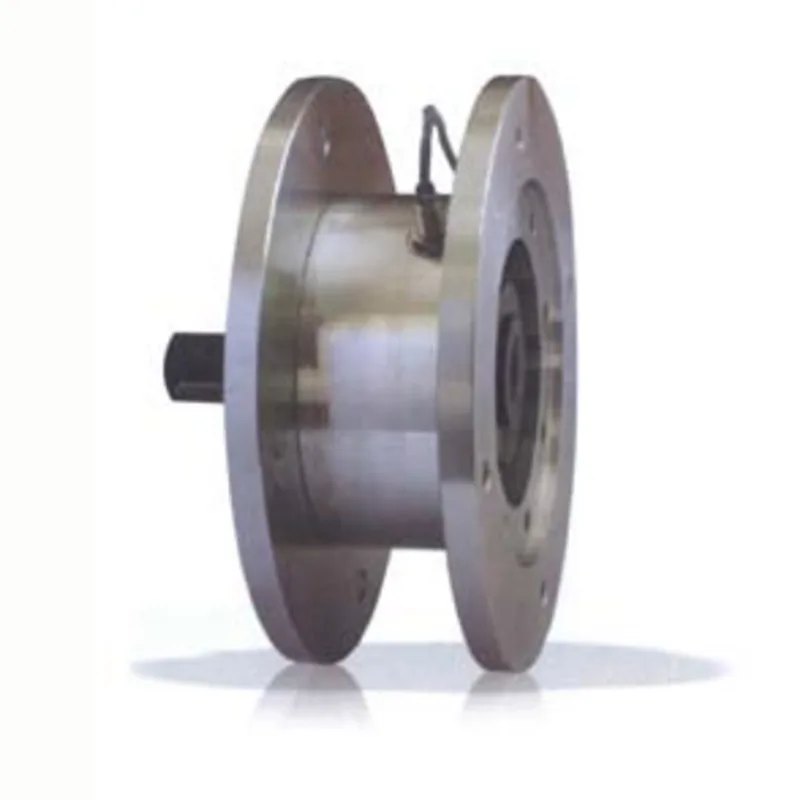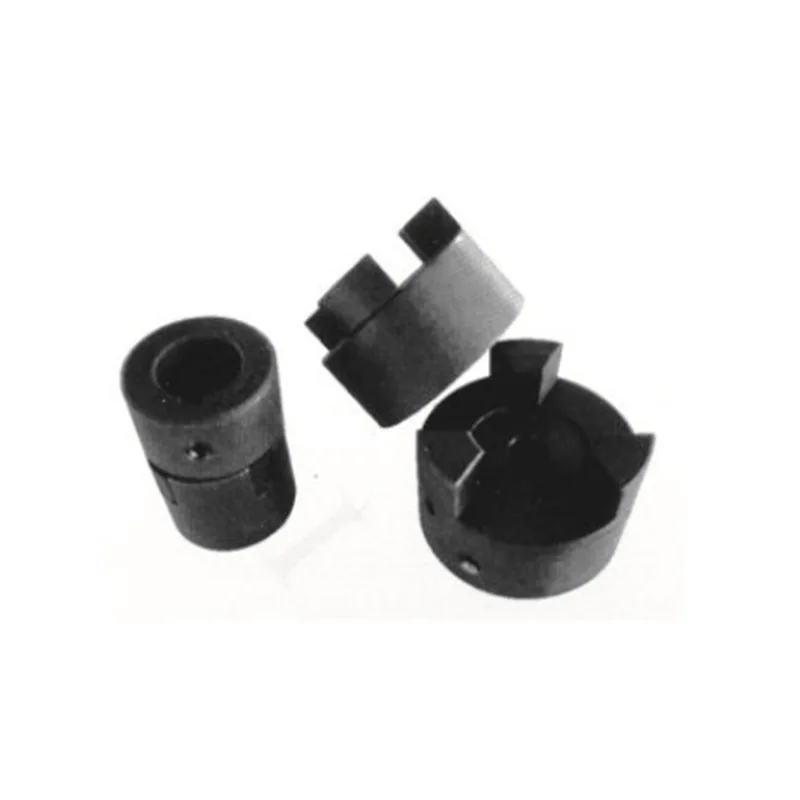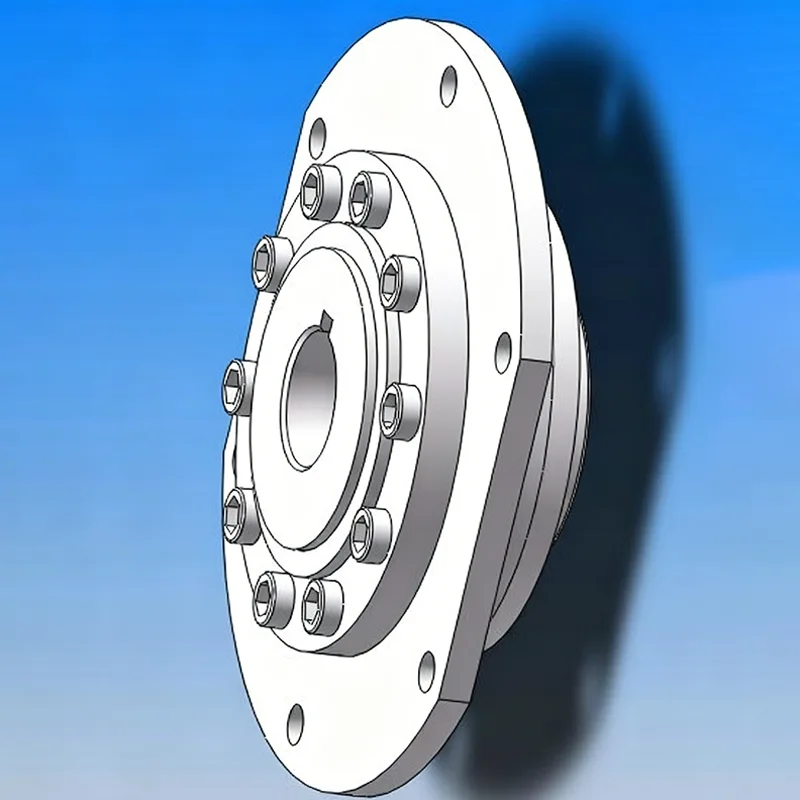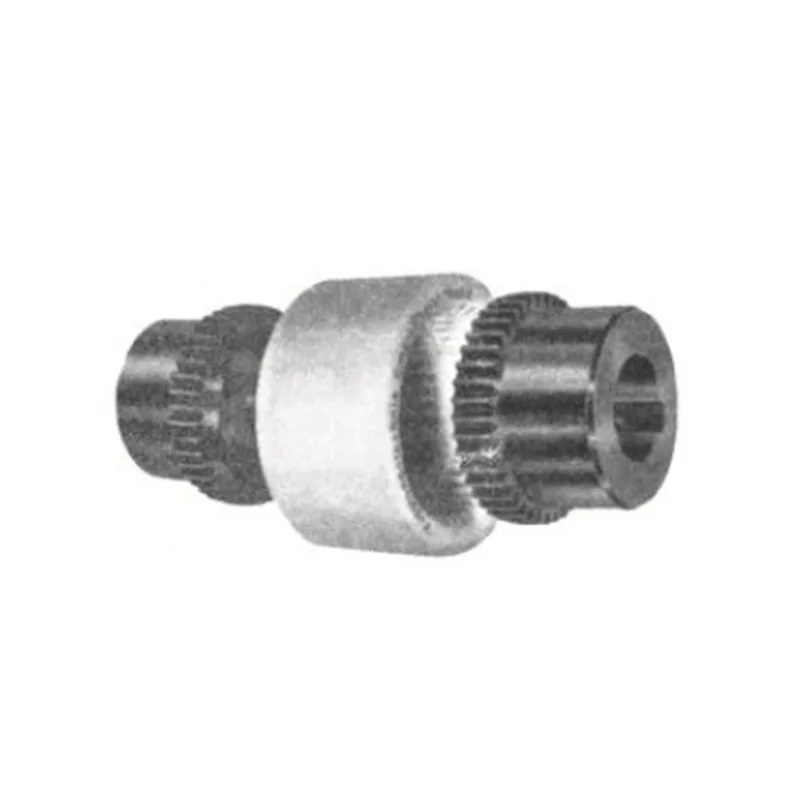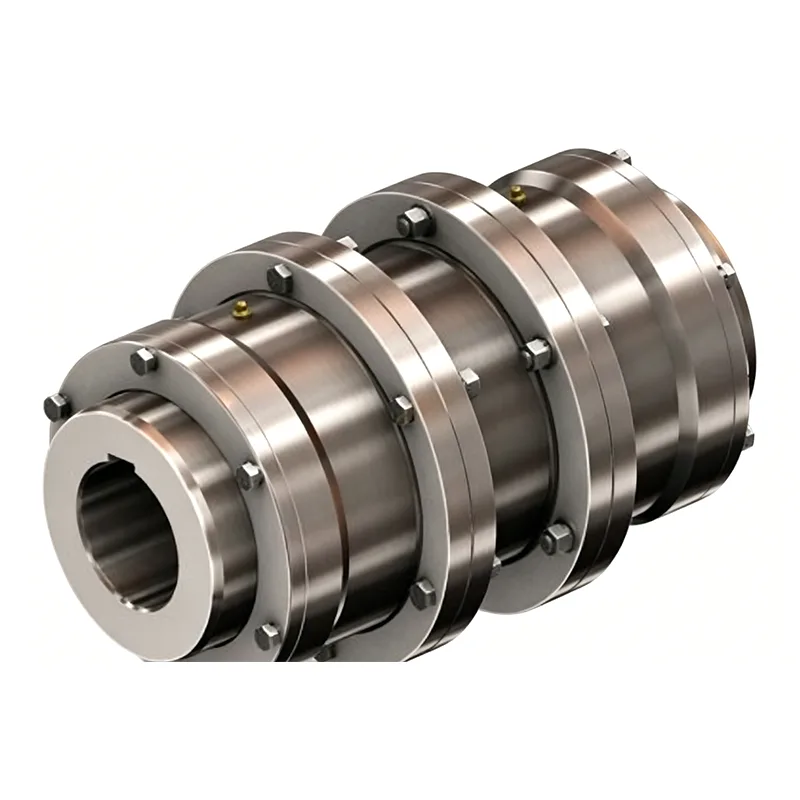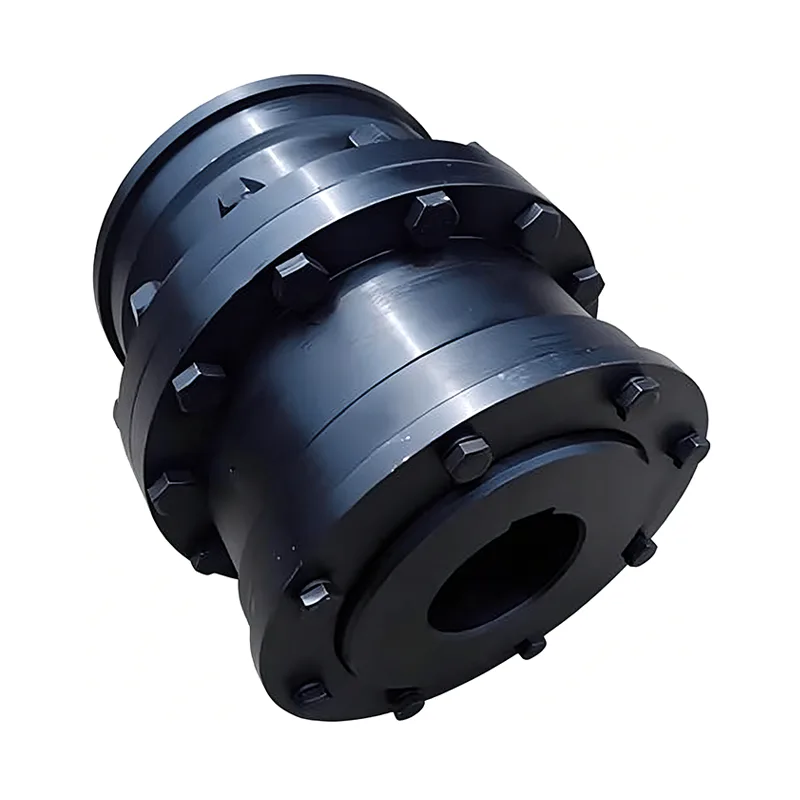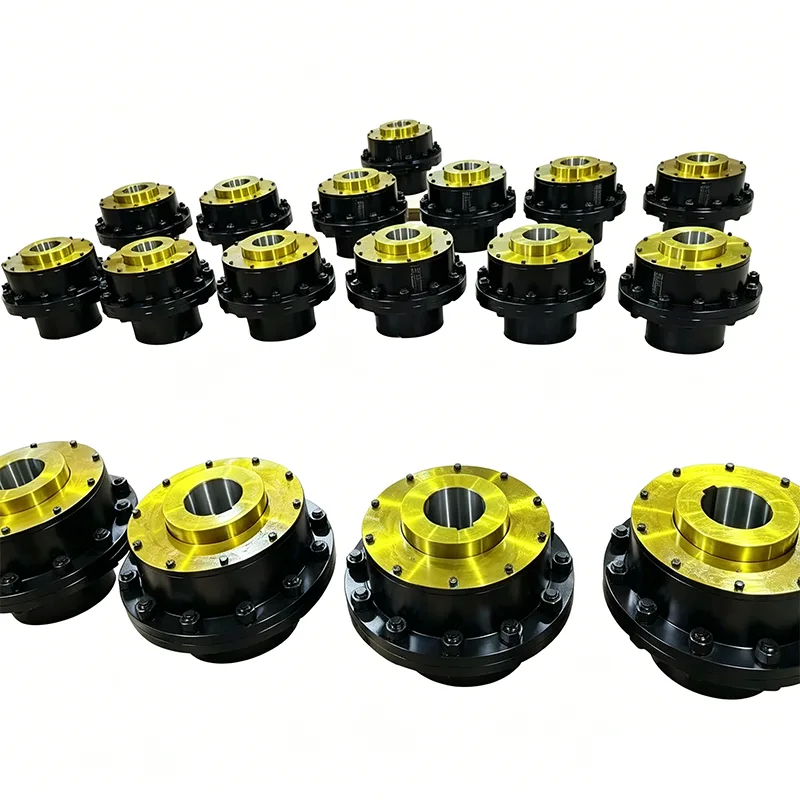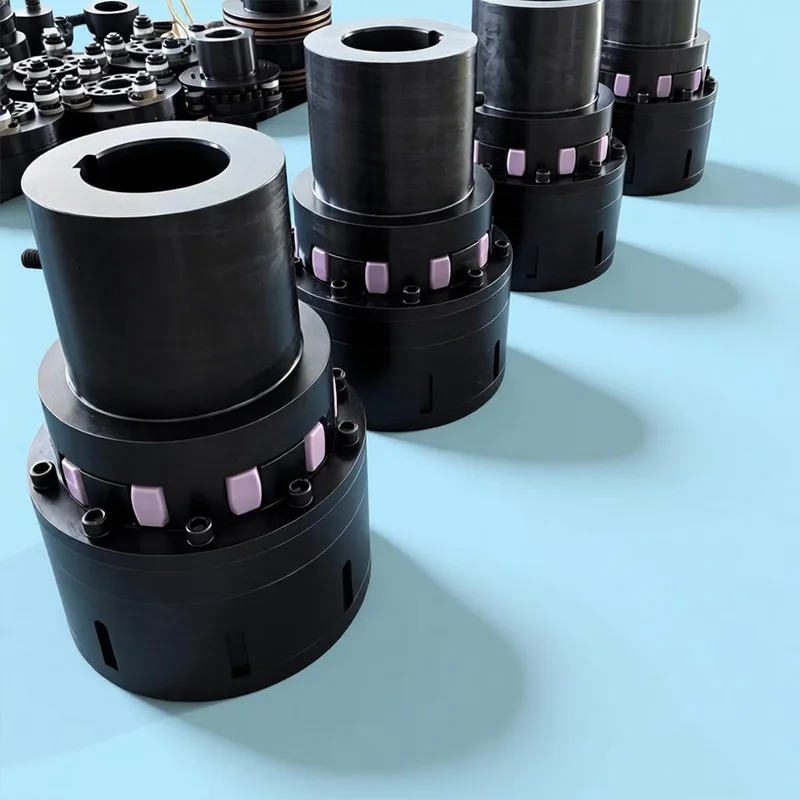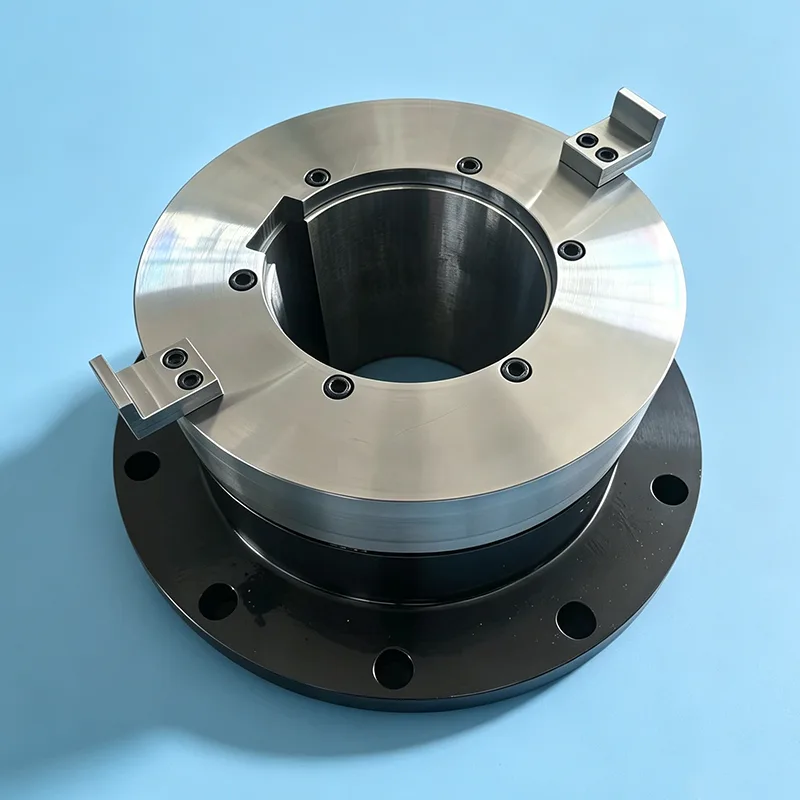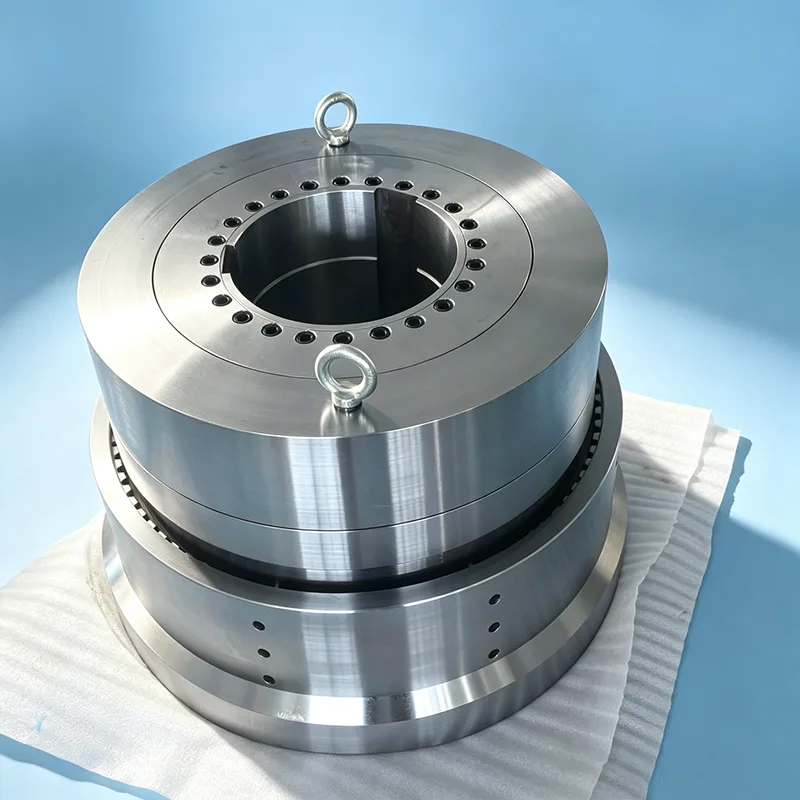

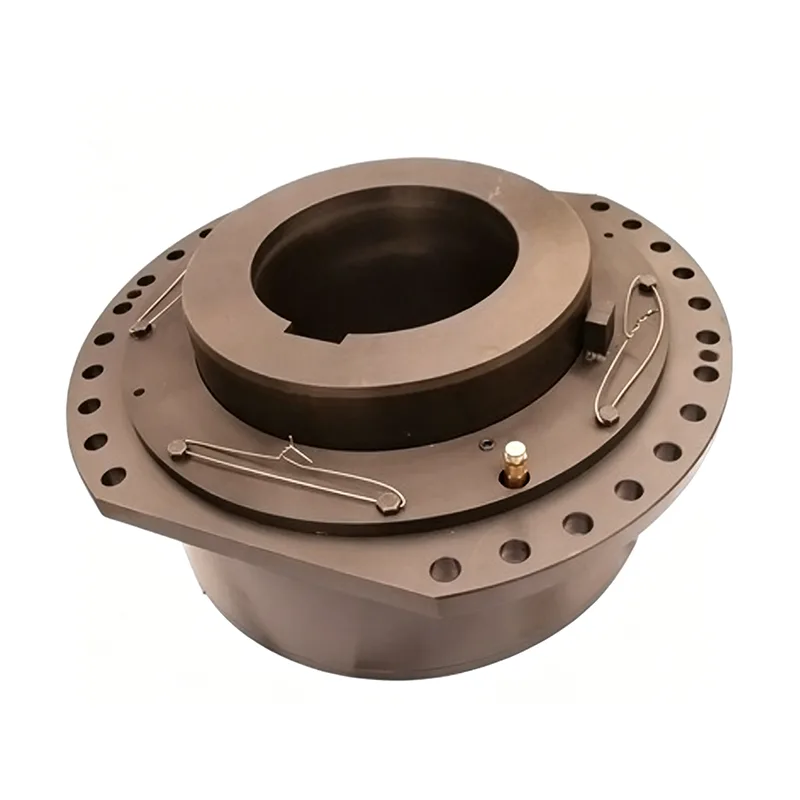
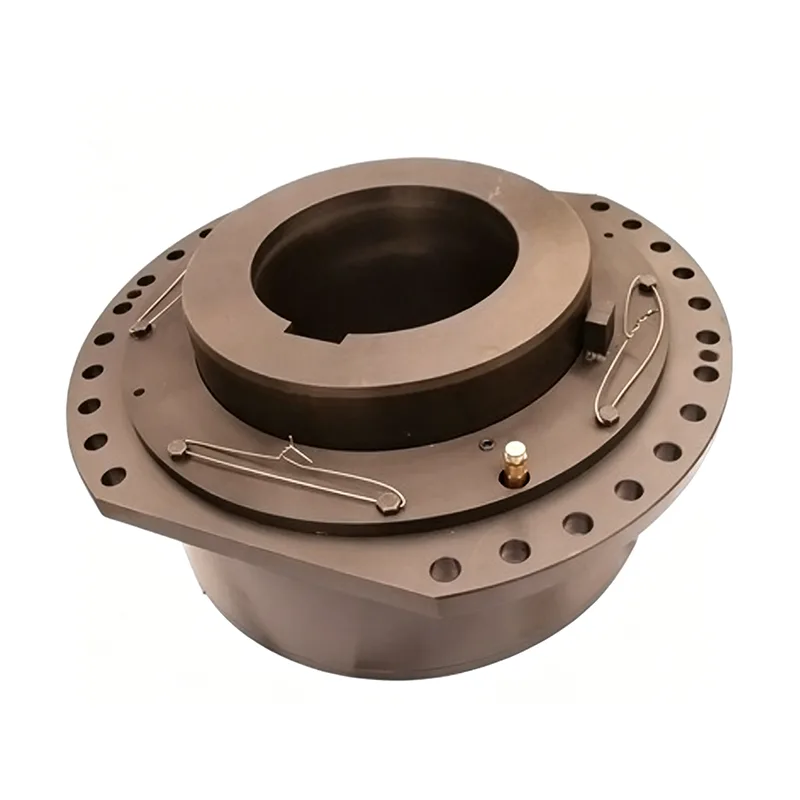
The Spherical Roller Coupling is a specialized transmission component developed specifically to address critical pain points in the drum drive systems of crane hoisting mechanisms. It effectively remedies numerous shortcomings inherent in traditional gear couplings, open gear drives, and articulated shaft structures. Relying on the flexible meshing of spherical rollers to transmit torque, the product inherently possesses self-aligning bearing characteristics, allowing it to adapt automatically to angular misalignments within the equipment. Its structural layout is compact and lightweight, ensuring it occupies no additional space within the trolley mechanism. It is ideally suited for the low-speed, heavy-load, and drum-driven operating conditions typical of hoisting equipment; furthermore, it offers a wide range of parameter coverage and ensures stable, reliable operation.
In the transmission linkage between the reducer output shaft and the drum in crane hoisting mechanisms, traditional designs typically employ disc-type gear couplings, open gear drives, or fixed-axis and floating-axis articulated shaft connections. Each of these structural types presents distinct operational drawbacks that constrain equipment maintenance and structural layout flexibility.
- Disc-type Multi-plate Gear Couplings (for Small to Medium-sized Cranes): While offering a compact overall structure and high integration, their complex geometry results in high manufacturing costs and significant processing difficulties. Furthermore, their substantial self-weight hinders lightweight design initiatives for small to medium-sized cranes, and subsequent disassembly and maintenance procedures are highly inconvenient.
- Open Gear Drives (for Heavy-tonnage Equipment): Primarily utilized in cranes with lifting capacities exceeding 80 tons, this configuration enables two-stage speed reduction and allows for an increased center distance between the motor and the drum. Although structurally simple, the exposed nature of the gears leads to poor lubrication conditions; consequently, gear tooth surfaces are highly susceptible to wear and rapid failure, resulting in a relatively high equipment failure rate.
- Fixed-axis and Floating-axis Articulated Shaft Structures (Long-shaft Designs): These designs allow for a reduction in the axial dimension of the drum, thereby accommodating compact installation spaces. However, they necessitate the use of long-shaft assemblies, which increases the overall self-weight of the hoisting mechanism. Moreover, the gear assembly and alignment cannot be performed independently; the disassembly and reassembly processes are cumbersome, leading to low maintenance efficiency.
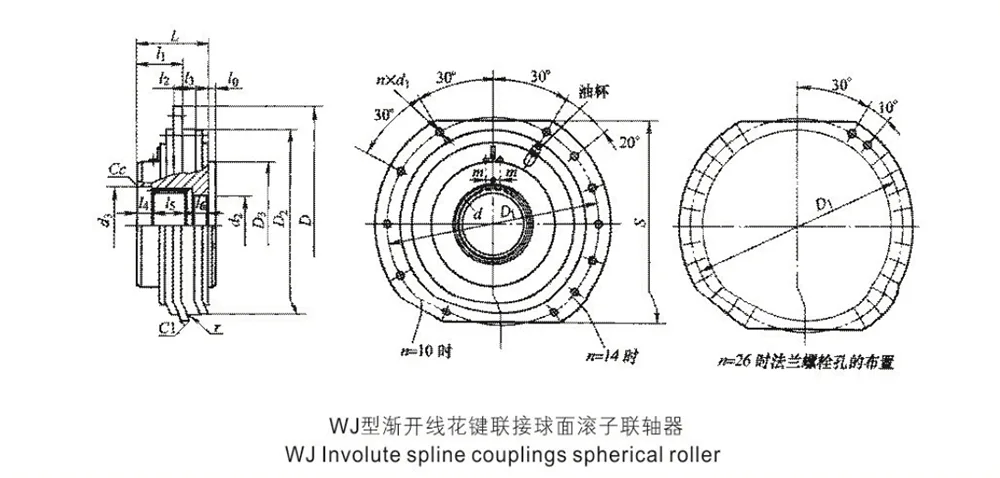
The Spherical Roller Coupling features a clearly defined structural composition and a scientifically engineered torque transmission method. By leveraging the flexible meshing of spherical rollers, it achieves the simultaneous transmission of both torque and radial forces, resulting in a higher degree of operational flexibility.
- Comprehensive Structural Configuration: The complete assembly consists primarily of core components such as the coupling halves, outer sleeve, spherical rollers, inner cover, and outer cover. The component arrangement is streamlined—devoid of superfluous, complex precision parts—resulting in a significantly lower failure rate.
- Circumferential Meshing Torque Transmission: Spherical rollers are distributed uniformly along the circumference of the coupling, seated within the positioning bores located between the coupling halves and the outer sleeve. Through the close-fitting contact and compressive action between the rollers and their respective bores, the coupling achieves bidirectional transmission of both torque and radial loads.
- Standardized Assembly Method: During operation, one coupling half is mounted and secured to the output shaft of the gearbox (reducer), while the outer sleeve is firmly connected to the wire rope drum using high-strength bolts. This configuration ensures uniform load distribution during transmission, creating a secure connection that is highly resistant to loosening.
- Flexible-Gear Transmission Characteristics: The overall transmission mechanism closely resembles that of an elastic pin-type gear coupling. It relies on the flexible force transmission provided by the rolling elements to effectively mitigate the issues of hard impact and abrasive wear typically associated with rigid meshing systems.
The Spherical Roller Coupling features an inherent self-aligning function, allowing it to adapt automatically to operational deviations within the equipment. It effectively resolves common issues in hoisting machinery—such as installation misalignment and operational deformation shifts—making it ideally suited for long-term, heavy-duty operation.
1. Self-Aligning Compensation Performance: Exhibiting the operational characteristics of a self-aligning bearing, the coupling precisely compensates for angular misalignment between the gearbox output shaft and the drum shaft, thereby accommodating both initial assembly errors and dynamic deformation shifts during operation.
2. Adaptability to Bidirectional Relative Displacement: The coupling simultaneously accommodates various forms of relative displacement between the two shafts, flexibly offsetting stresses generated during equipment operation. This prevents failures such as shaft binding (locked-in stress), abnormal wear, and transmission stuttering.
3. Stable Load-Bearing Transmission: The coupling simultaneously handles both the transmission of operational torque and the support of radial loads. Its load-bearing structure is optimally designed, ensuring slip-free and drift-free performance during prolonged, low-speed, heavy-duty operation. Its transmission stability significantly surpasses that of traditional open-gear structures.
Compared to traditional hoisting transmission structures, the Spherical Roller Coupling offers distinct advantages in terms of lightweight design, spatial layout, ease of installation, and overall reliability. These attributes make it particularly well-suited to meet the demanding spatial constraints and layout requirements of hoisting trolleys.
1. Compact and Lightweight Design: Featuring a small overall footprint and low self-weight, the unit eliminates the need for additional long shafts or complex gear trains. This significantly reduces the overall weight of the mechanism and optimizes the structural layout of the crane trolley.
2. Convenient Installation and Maintenance: The design features a neat structure and a simple assembly logic, requiring no complex commissioning procedures. Assembly and maintenance tasks can be performed independently, effectively resolving the common pain points associated with traditional structures—specifically, the difficulty of disassembly/reassembly and the inability to perform isolated adjustments.
3. High Operational Reliability: By eliminating the inherent flaws of exposed gears—which are prone to wear—the enclosed roller-engagement structure remains largely unaffected by environmental factors. It ensures smooth, low-speed operation with minimal noise, making it ideally suited for the continuous-duty operating conditions typical of lifting equipment.
The product offers a wide range of parameters and exceptional adaptability to various operating conditions. It is specifically engineered to suit the specialized transmission requirements of lifting machinery, with performance specifications that strictly adhere to industrial heavy-duty standards.
- Applicable Equipment Scenarios: The Spherical Roller Coupling is primarily utilized in crane hoisting mechanisms, low-speed drum drive systems, and similar general-purpose transmission equipment. It is specifically designed to serve the lifting industry's demanding requirements for low-speed, heavy-load, and continuous-duty operations.
- Operating Temperature Range: Capable of stable and normal operation within an ambient temperature range of -25°C to +28°C, making it suitable for standard indoor environments as well as non-extreme outdoor lifting operations.
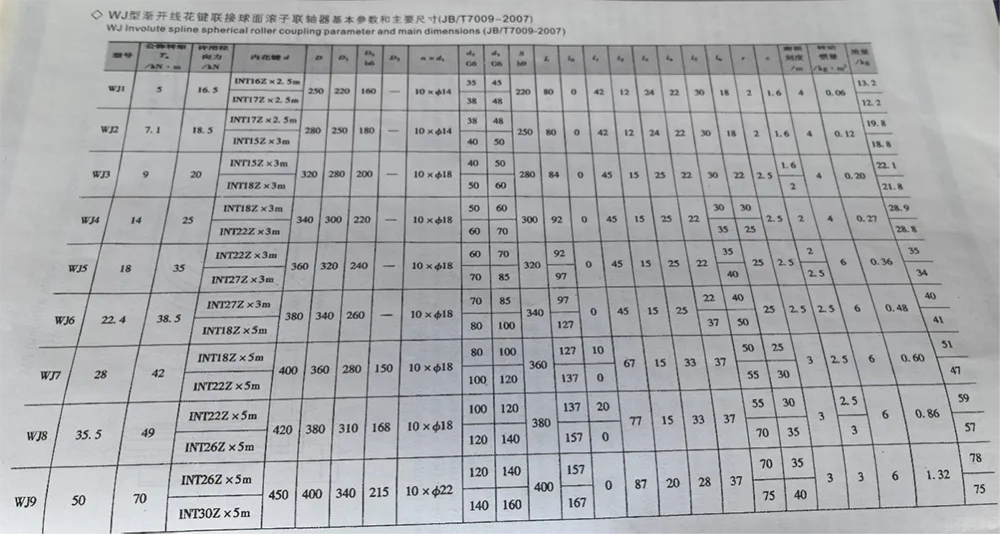
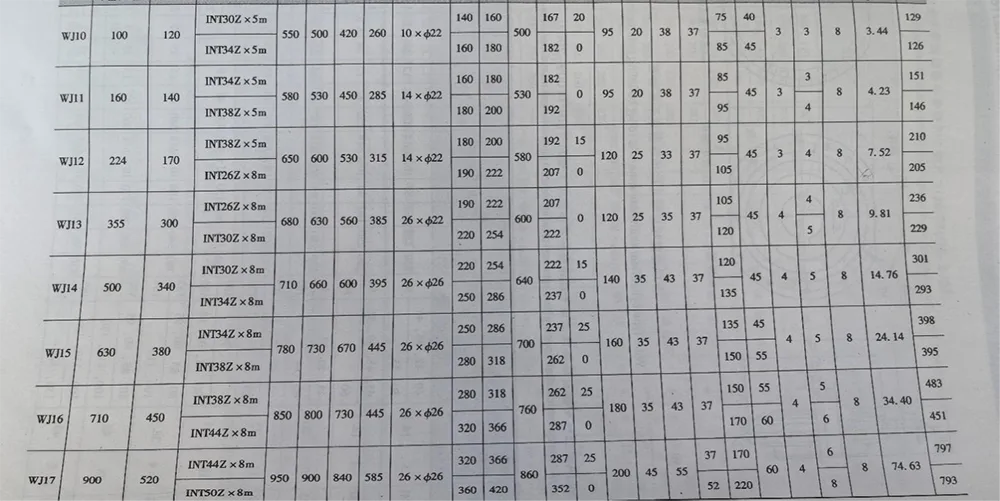
- Torque Capacity Range: The rated torque transmission range spans from 5,000 N·m to 900,000 N·m, effectively covering the transmission requirements of lifting equipment ranging from small-to-medium scale up to large-scale machinery.
- Radial Load Limit: Capable of withstanding radial forces ranging from 16,500 N to 450,000 N. Its robust radial load-bearing capacity ensures it can effectively handle the heavy radial forces typically associated with drum-based lifting systems.
Address
No. 1068 Jinyang East Road, Lujia Town, Kunshan City, Jiangsu Province, China
Tel
If you have any enquiry about quotation or cooperation, please feel free to email us at jiteng2009@126.com or use the following inquiry form.Our sales representative will contact you within 24 hours. Thank you for your interest in our products.